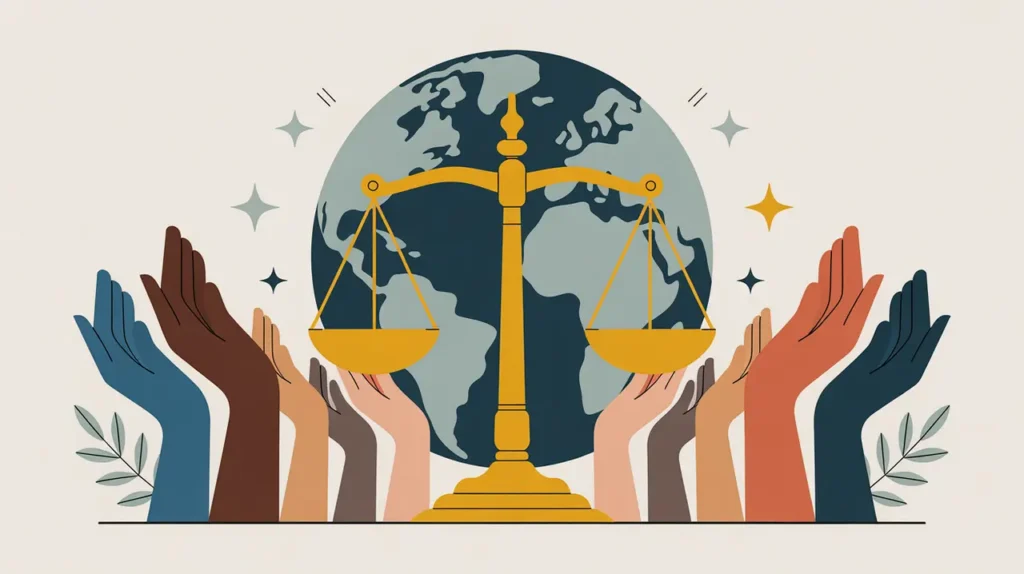
Importance of Civil Rights
Civil rights are the foundation of equality, justice, and participation in society. In international development, the protection and expansion of civil rights ensure that individuals and communities can exercise freedoms, access opportunities, and hold institutions accountable. For nonprofits and social innovators, civil rights are both a mandate and a measure: they define the boundaries within which advocacy, service delivery, and social change can occur. Where civil rights are respected, proximity fosters trust and collaboration; where they are denied, innovation often turns toward resistance and reform.
Definition and Features
Civil rights refer to the set of legal and moral entitlements that guarantee individuals equal protection and participation under the law. Their defining features include:
- Equality Before the Law: protection from discrimination based on race, gender, religion, or other identities.
- Fundamental Freedoms: rights to speech, assembly, association, and movement.
- Access and Participation: the ability to vote, access public services, and participate fully in civic life.
- Accountability: mechanisms to challenge violations and seek redress.
How this Works in Practice
In practice, civil rights are upheld through constitutions, legislation, courts, and advocacy movements. For example, civil society organizations may provide legal aid to marginalized groups, while activists mobilize campaigns for electoral reforms or against discriminatory laws. International treaties and human rights frameworks set standards, but implementation depends on national and local institutions. Challenges include weak enforcement, political repression, and structural inequities that prevent communities from exercising their rights.
Implications for Social Innovation
Civil rights have far-reaching implications for social innovation. They create the enabling environment for proximate actors to voice ideas, build movements, and challenge power structures. Innovations such as digital rights platforms, legal empowerment programs, and participatory justice models strengthen civil rights protection while expanding access. For social innovators, centering civil rights ensures that solutions are inclusive, equitable, and sustainable. Where rights are restricted, advocacy and innovation become critical tools for expanding civic space and advancing justice.