Importance of Direct Costs
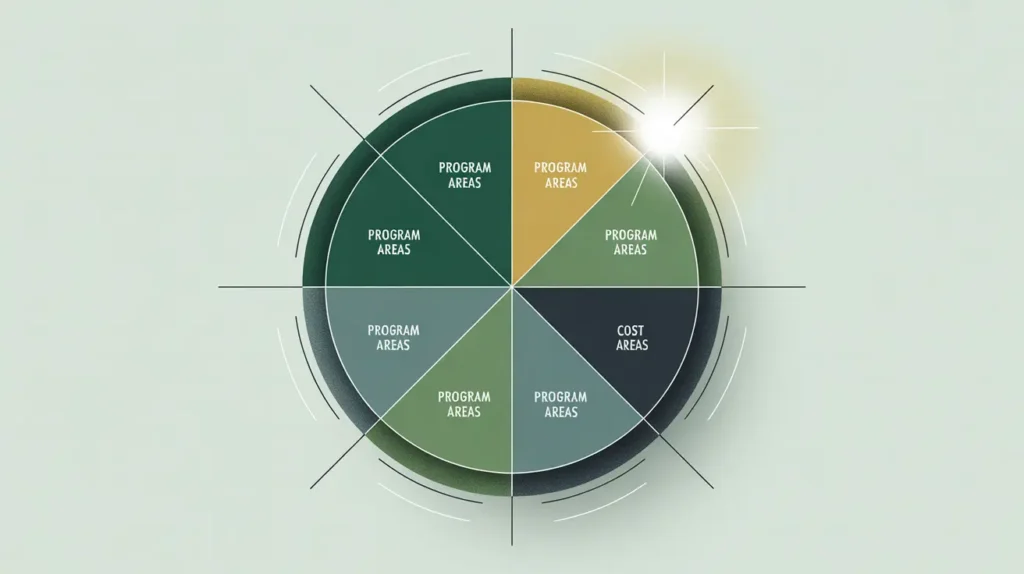
Direct costs represent the expenses that can be clearly and exclusively tied to a specific program, project, or grant. They matter because they demonstrate how donor and organizational resources are used to deliver mission activities in tangible ways. For nonprofits in social innovation and international development, tracking direct costs is crucial for compliance, donor reporting, and showing efficiency in service delivery. Boards and funders often scrutinize direct costs to assess whether the majority of resources are reaching programs rather than being absorbed by administration.
Definition and Features
Direct costs are defined as expenses that can be specifically identified with a single project, activity, or program. Key features include:
- Traceability: costs clearly linked to one program or grant.
- Examples: staff salaries for program workers, program supplies, travel for project delivery, and equipment purchased for a specific project.
- Donor Alignment: often required to be detailed in grant budgets and reports.
- Separation from Indirect Costs: distinct from shared expenses like rent, IT systems, or executive salaries.
Direct costs differ from overhead or indirect costs in that they are charged directly to the program rather than allocated proportionally across initiatives.
How This Works in Practice
In practice, nonprofits code direct costs to specific grants or projects in their accounting systems. For example, if a youth empowerment program hires a trainer exclusively for workshops, that trainer’s salary is coded as a direct cost. Supplies such as books, laptops, or food for program participants are also booked directly to the program budget. Finance teams monitor these expenses closely to ensure they stay within donor-approved limits, while program managers use them to measure cost-effectiveness. Auditors often review direct costs to confirm they were charged appropriately and supported by documentation.
Implications for Social Innovation
For nonprofits in social innovation and international development, direct costs provide clarity on how resources translate into services, outputs, and outcomes. Transparent tracking reduces information asymmetry by showing donors and communities exactly what portion of their contributions went directly to mission delivery. This builds trust and supports advocacy for additional funding. Understanding direct costs also helps organizations calculate unit costs, evaluate program efficiency, and compare effectiveness across initiatives. By managing direct costs responsibly, nonprofits demonstrate accountability, strengthen sustainability, and show how financial inputs lead to systemic social impact.