Importance of Systems Change
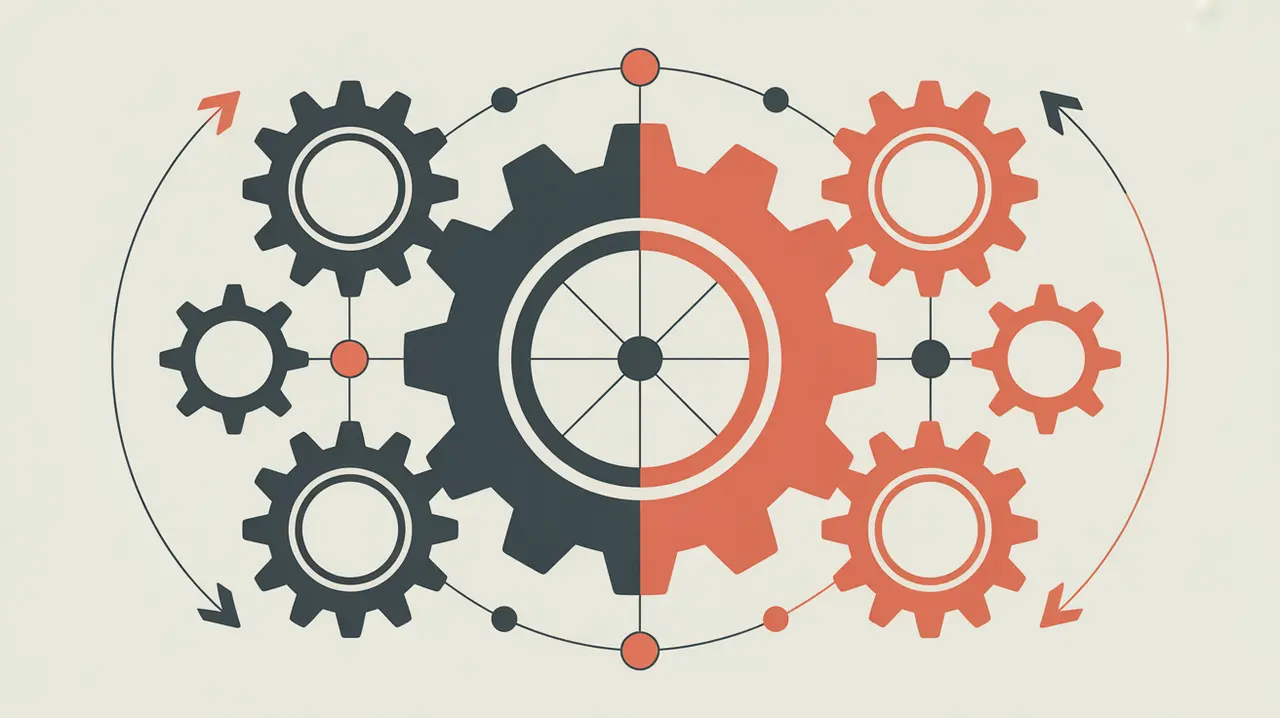
Systems change addresses the underlying structures, relationships, and dynamics that keep problems in place. It is important because many social and environmental challenges persist not from lack of effort but from deeply entrenched patterns of power, policy, and culture. In development and social innovation, systems change matters because it shifts focus from treating symptoms to transforming the root causes that shape outcomes across entire populations.
Definition and Features
Systems change refers to intentional efforts to alter the policies, practices, resource flows, relationships, power dynamics, and mental models that define a system. Its defining features include:
- Root Cause Orientation – targets underlying drivers of persistent problems.
- Multi-Level Action – spans structures, relationships, and cultural norms.
- Collaborative Process – engages diverse stakeholders across sectors.
- Nonlinear Pathways – change emerges through iteration, adaptation, and feedback.
- Durability – aims for long-term transformation rather than temporary fixes.
How this Works in Practice
In practice, systems change can be seen in education reforms that shift curricula, funding, teacher training, and community engagement simultaneously, or in climate initiatives that combine renewable energy policy, investment flows, and cultural narratives around consumption. Frameworks such as the “Six Conditions of Systems Change” are often used to identify leverage points. Challenges include complexity, resistance from entrenched interests, and the long timelines needed for systemic transformation.
Implications for Social Innovation
Systems change expands the horizon of social innovation by embedding solutions in the deeper architecture of society. It ensures that innovations contribute not only to better programs but also to reshaped institutions, policies, and norms. For funders and practitioners, pursuing systems change means investing in coalitions, long-term strategies, and proximate leadership. By addressing the structural and cultural roots of problems, systems change creates the conditions for impactful social change.