Importance of Longitudinal Research
Longitudinal research tracks the same subjects or groups over extended periods of time to reveal changes, trends, and causal relationships. It is important because many social, health, and economic outcomes unfold gradually and cannot be understood through one-time snapshots. In development and social innovation, longitudinal research matters because it captures how interventions, policies, and social conditions influence lives and systems over time.
Definition and Features
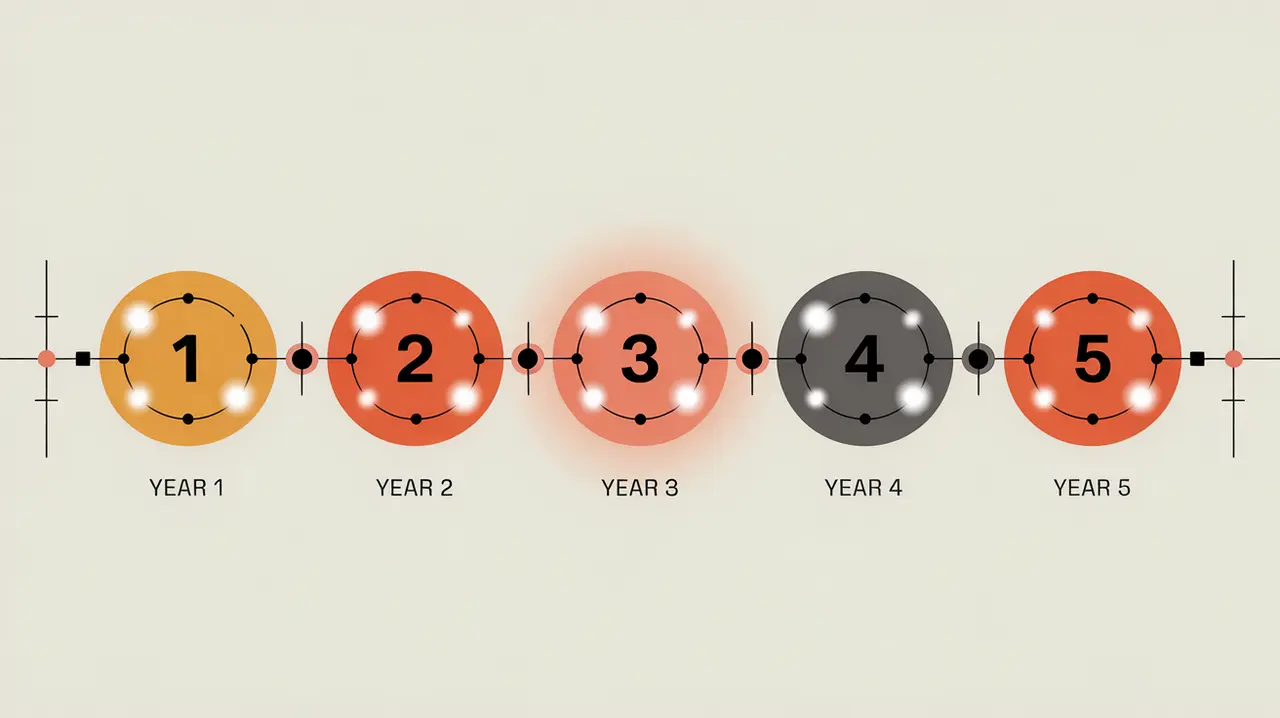
Longitudinal research is a study design that repeatedly measures variables for the same individuals or groups across months, years, or even decades. Its defining features include:
- Time Dimension – focuses on change and continuity over time.
- Repeated Measures – collects data from the same sample at multiple points.
- Causal Insights – strengthens ability to identify cause-and-effect relationships.
- Trend Analysis – reveals patterns of growth, decline, or stability.
- Varied Designs – includes panel studies, cohort studies, and trend studies.
How this Works in Practice
In practice, longitudinal research may involve following children from early education through adulthood to measure how schooling impacts life outcomes, tracking communities over decades to study the effects of climate change, or monitoring households in poverty alleviation programs to understand long-term resilience. Famous examples include the Framingham Heart Study and multi-decade birth cohort studies in the UK. Challenges include high costs, participant attrition, long timelines, and complex data management.
Implications for Social Innovation
Longitudinal research strengthens social innovation by revealing the sustained impact of programs and policies, rather than short-term effects. For practitioners, it provides evidence to refine interventions and demonstrate lasting value. For funders and policymakers, it justifies investments in systemic change by showing cumulative outcomes over time. Longitudinal research can builds a deeper understanding of how innovation can contributes improvement across generations.