Importance of Proximate Leadership
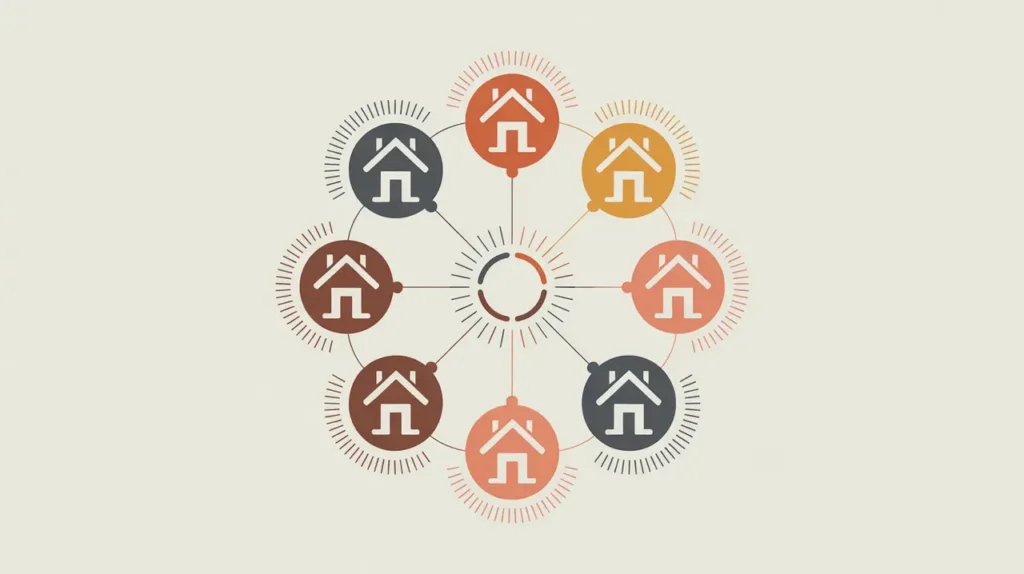
Proximate leadership centers the authority and expertise of individuals who are closest to the challenges being addressed. It emphasizes that those with lived experience and local knowledge bring critical insights for shaping effective, equitable, and sustainable solutions. In development and social innovation, proximate leadership matters because it shifts power dynamics, ensures relevance, and strengthens trust between organizations and communities.
Definition and Features
Proximate leadership refers to leadership exercised by people who are embedded in the communities or contexts where problems and opportunities exist. Its defining features include:
- Lived Experience – leaders draw from firsthand understanding of the issues at stake.
- Cultural Competence – decisions are informed by local norms, languages, and values.
- Legitimacy – leadership is recognized and trusted by the community.
- Equity Orientation – elevates voices historically excluded from decision-making.
- Systems Awareness – positions proximate leaders to identify practical leverage points.
How this Works in Practice
In practice, proximate leadership appears in grassroots organizers who mobilize local communities, educators who redesign schools within their own districts, or entrepreneurs who launch ventures addressing challenges they themselves have faced. Funders may support proximate leadership by prioritizing unrestricted funding, participatory governance, or leadership pipelines for underrepresented groups. Barriers include structural inequities, donor biases, and lack of access to capital or networks.
Implications for Social Innovation
Proximate leadership grounds innovation in authenticity and inclusivity. It challenges extractive models of problem-solving by valuing knowledge that comes from proximity as much as technical expertise. For funders and practitioners, embracing proximate leadership strengthens impact, sustainability, and equity by ensuring that solutions are not imposed from outside but are co-created with those most affected.