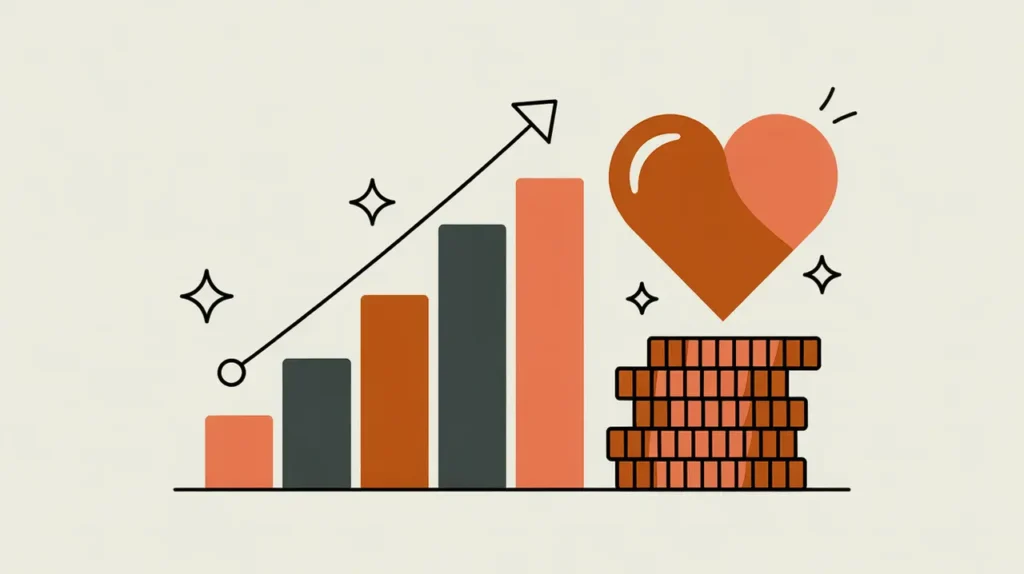
Importance of Triple Bottom Line
Triple bottom line broadens the definition of success beyond financial profit to include social and environmental performance. It emphasizes that long-term prosperity depends on balancing people, planet, and profit. For development, philanthropy, and social enterprises, the triple bottom line matters because it provides a framework for aligning sustainability and equity with economic growth.
Definition and Features
Triple bottom line refers to an accounting and management framework that evaluates outcomes across three dimensions. Its defining features include:
- People – measuring social impact, equity, and community wellbeing.
- Planet – tracking environmental sustainability and stewardship of resources.
- Profit – ensuring financial viability and organizational sustainability.
- Integrated Metrics – considers interdependence between the three dimensions.
- Accountability – encourages transparent reporting and responsible decision-making.
How this Works in Practice
In practice, organizations apply the triple bottom line by embedding environmental and social performance indicators into annual reporting and decision-making. For example, a company might measure carbon emissions reductions alongside employee wellbeing and financial returns. Social enterprises use the framework to balance market sustainability with mission outcomes. Challenges include the difficulty of measuring non-financial metrics, trade-offs between goals, and risks of superficial adoption or “greenwashing.”
Implications for Social Innovation
Triple bottom line reframes innovation to optimize for multiple forms of value. It inspires solutions such as renewable energy businesses, fair trade supply chains, and inclusive hiring models that deliver across all three dimensions. For funders and practitioners, adopting a triple bottom line lens ensures that growth and impact are evaluated together, guiding investments toward models that create lasting social and environmental advantage alongside economic success.