Importance of Subrecipient Monitoring
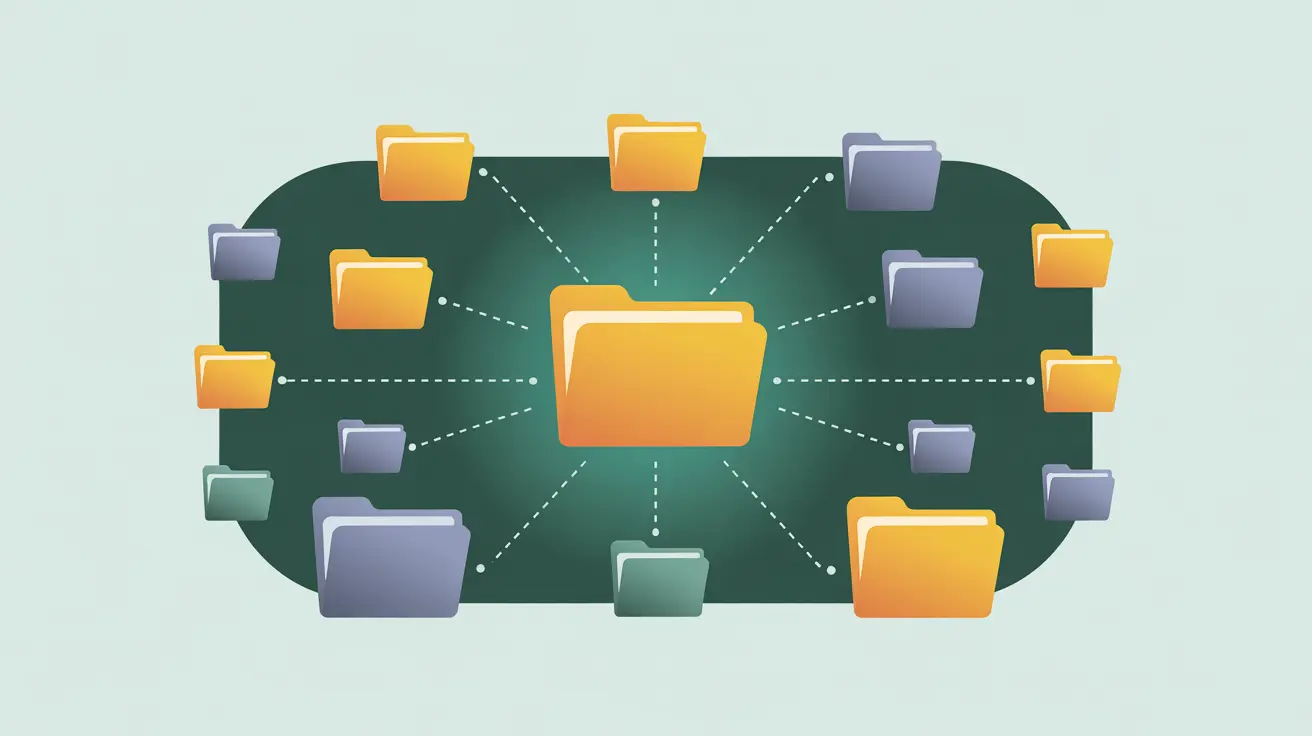
Subrecipient monitoring ensures that funds passed from a primary grantee to partner organizations are used appropriately, in compliance with donor rules. This matters because many social innovation and international development projects are delivered through networks of local partners, and accountability across these relationships is essential to safeguard funding. Boards and leadership value subrecipient monitoring because it protects the organization from financial, reputational, and compliance risks while strengthening partner capacity.
Definition and Features
Subrecipient monitoring is defined as the oversight activities a grantee undertakes to ensure that organizations receiving subawards comply with applicable laws, regulations, and grant conditions. Key features include:
- Risk Assessment: evaluating subrecipients before and during the grant.
- Formal Agreements: contracts outlining roles, responsibilities, and compliance obligations.
- Monitoring Tools: site visits, financial reviews, progress reports, and audits.
- Capacity Building: providing training and support to strengthen partner compliance.
Subrecipient monitoring differs from vendor management because subrecipients carry out programmatic activities and must comply with donor regulations, not just deliver contracted services.
How This Works in Practice
In practice, nonprofits establish monitoring systems when they disburse funds to partners. For example, a global health NGO receiving $10 million in U.S. government funding may subaward $2 million to local clinics. The NGO’s finance team conducts pre-award assessments, requires monthly expenditure reports, and performs site visits to verify compliance. Program staff also review outputs and outcomes against work plans. Boards may review monitoring reports to assess risk exposure and ensure corrective actions are taken where needed.
Implications for Social Innovation
For nonprofits in social innovation and international development, subrecipient monitoring strengthens accountability and promotes equitable partnerships. Transparent reporting reduces information asymmetry by assuring donors that funds passed through intermediaries are tracked and managed responsibly. Donors value effective monitoring as it signals strong governance, while subrecipients benefit from training and oversight that improve their own systems. By investing in robust monitoring practices, nonprofits can manage risk, protect funding, and build long-term partner capacity for systemic change.