What Does the Logistics Clerk Role Involve?
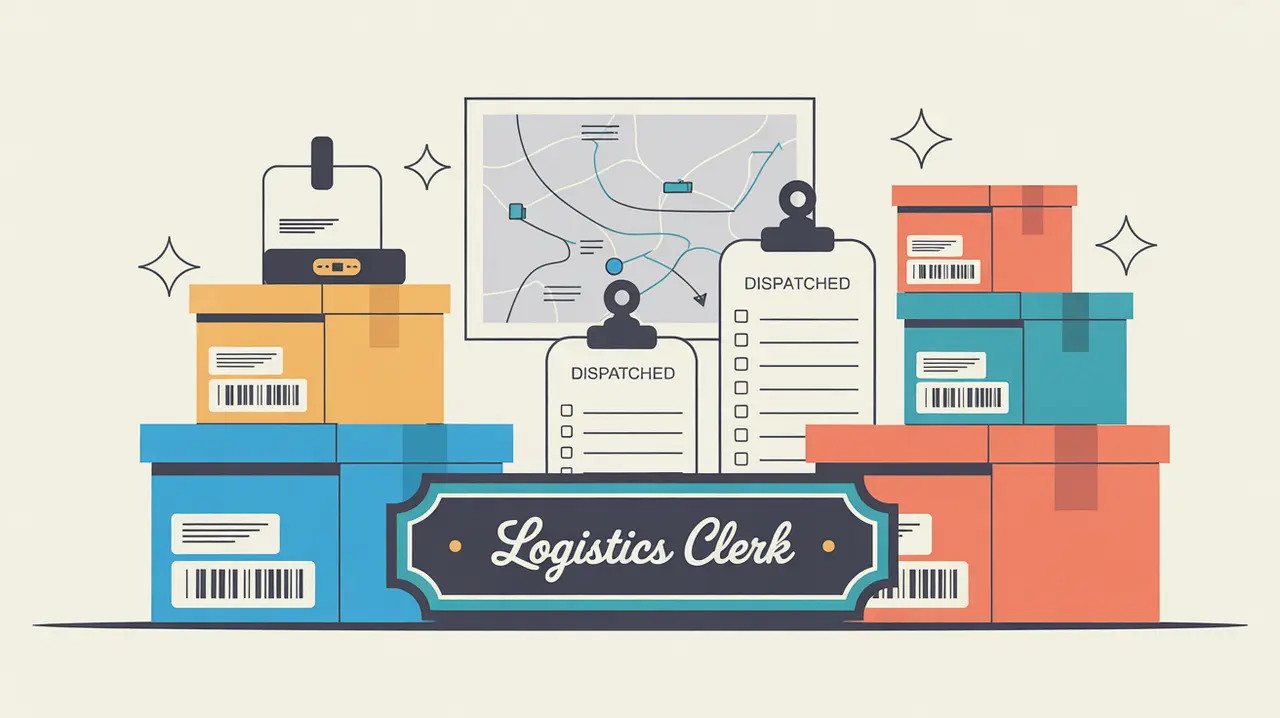
A logistics clerk provides essential administrative and operational support to ensure that goods, materials, and resources are transported, stored, and distributed efficiently. This includes processing orders, maintaining records, tracking shipments, coordinating with vendors, and assisting with inventory management. The role typically sits within operations, supply chain, or program delivery functions. In nonprofits and social enterprises, logistics clerks play an important role in ensuring that materials reach the right places at the right times to support program implementation and organizational activities.
At What Level does this Role Operate?
Entry Level: This role typically reports to a logistics coordinator, logistics lead, or operations manager. It focuses on administrative tasks, documentation, and basic coordination that support the smooth flow of goods and services.
Relative Employability: Logistics clerk roles are consistently in demand across nonprofits, social enterprises, humanitarian organizations, and supply chain-driven initiatives. As these organizations manage complex procurement and distribution networks, logistics clerks are key to maintaining reliable operations.
Relative Pay Scale: Logistics clerk roles sit within entry-level pay bands, reflecting their support-oriented responsibilities in logistics and operations functions.
What are the Key Responsibilities and Activities?
- Process and maintain documentation related to shipments, deliveries, and inventory
- Track orders and shipments to ensure timely arrival and distribution
- Support procurement activities by preparing purchase orders and liaising with suppliers
- Maintain accurate records of stock levels, deliveries, and storage locations
- Assist in coordinating transportation schedules and logistics arrangements
- Communicate with vendors, transport providers, and internal teams to resolve basic issues or delays
- Support compliance with organizational and regulatory policies related to logistics and inventory
- Contribute to reporting and data entry to keep systems up to date
What Core Competencies and Qualifications are Needed?
Required Qualifications and Experience
The following reflect common qualifications and experience expected for this role, while recognizing that pathways may vary by context, organization, and region.
- Academic background in logistics, supply chain management, business administration, or related fields, or equivalent professional experience
- Experience in administrative or clerical roles, preferably within logistics, procurement, or operations functions
- Strong organizational skills and attention to detail
- Familiarity with logistics software, inventory systems, or spreadsheets
- Good communication and coordination skills
- Ability to manage multiple tasks and deadlines
Key Competencies
- Documentation and recordkeeping for logistics processes
- Shipment and order tracking
- Inventory data management
- Procurement support
- Communication with vendors and internal teams
- Compliance support and basic problem solving
How are AI and Automation Shaping this Role?
An AI-native logistics clerk will look to AI and automation to improve shipment tracking, data entry, and inventory monitoring. They can use AI tools to generate shipping documentation, flag delays, and update systems automatically when goods are received. Automation can handle routine data synchronization between procurement, inventory, and transportation systems, reducing errors and saving time. By using these tools, logistics clerks can increase the accuracy and efficiency of logistics operations while focusing on problem solving and communication.
What Career Pathways and Transferable Skills are Associated with this Role?
Logistics clerk roles can lead to positions such as logistics coordinator, procurement officer, operations associate, or supply chain specialist. The skills developed in recordkeeping, coordination, inventory management, and vendor communication are highly transferable across nonprofits, social enterprises, humanitarian organizations, and private sector logistics operations. This role provides a solid foundation for advancing into more specialized or managerial logistics positions.