Importance of Utilities
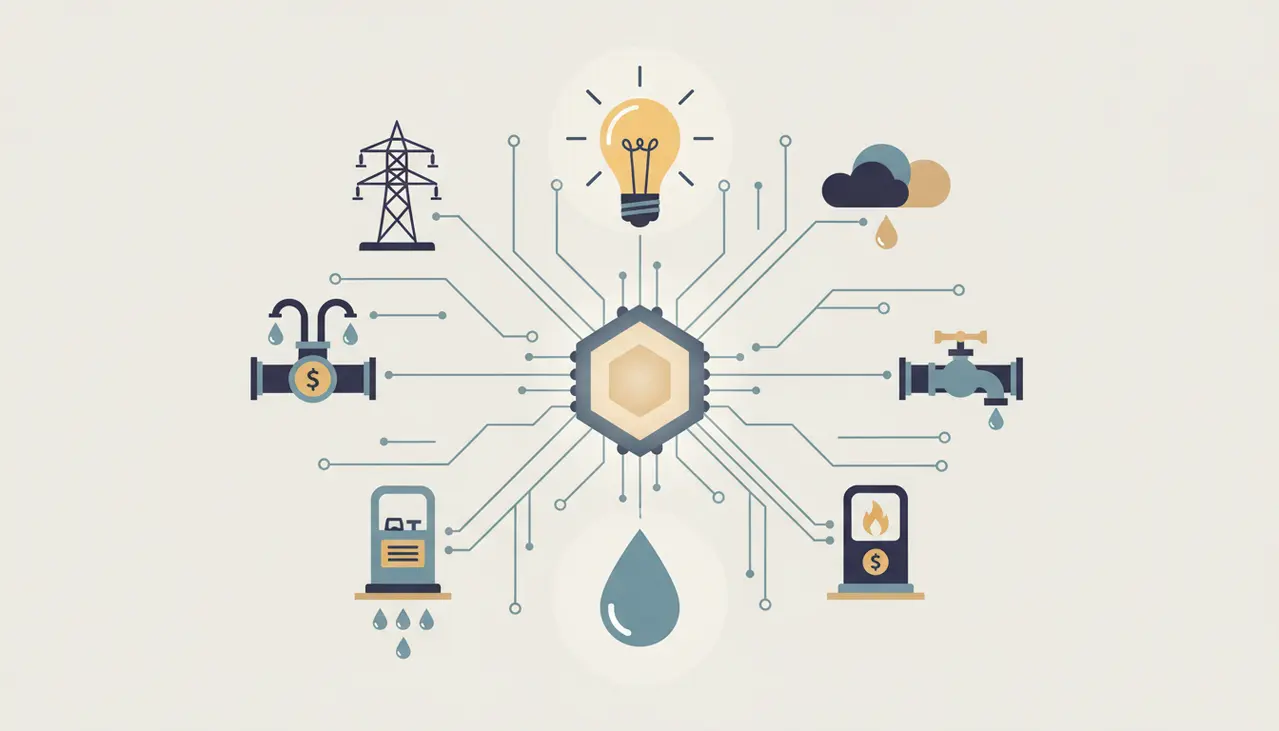
Utilities are essential for delivering the basic services that sustain modern life, including water, electricity, gas, and waste management. They provide the foundation for health, productivity, and economic activity. In international development, access to reliable and affordable utilities is a key driver of poverty reduction, gender equity, and resilience. For nonprofits and social innovators, utilities matter because gaps in service disproportionately affect marginalized communities. Their importance lies in ensuring universal access to safe, sustainable, and equitable services.
Definition and Features
Utilities refer to the public and private systems that generate, distribute, and maintain essential services for households, businesses, and industries. Their defining features include:
- Essential Services: electricity, water, sanitation, gas, and waste management.
- Infrastructure Dependence: requiring large-scale systems such as grids, pipelines, and treatment plants.
- Regulation and Oversight: typically governed by public authorities to ensure affordability and quality.
- Universal Need: vital for both urban and rural communities.
How this Works in Practice
In practice, utilities are delivered through a mix of public utilities, private providers, and community-led systems. For example, municipal governments may manage water and sanitation, while private firms operate electricity grids. NGOs often step in to provide decentralized solutions such as solar mini-grids or community water kiosks in underserved areas. Challenges include underinvestment, infrastructure gaps in rural regions, affordability issues, and environmental impacts of resource use.
Implications for Social Innovation
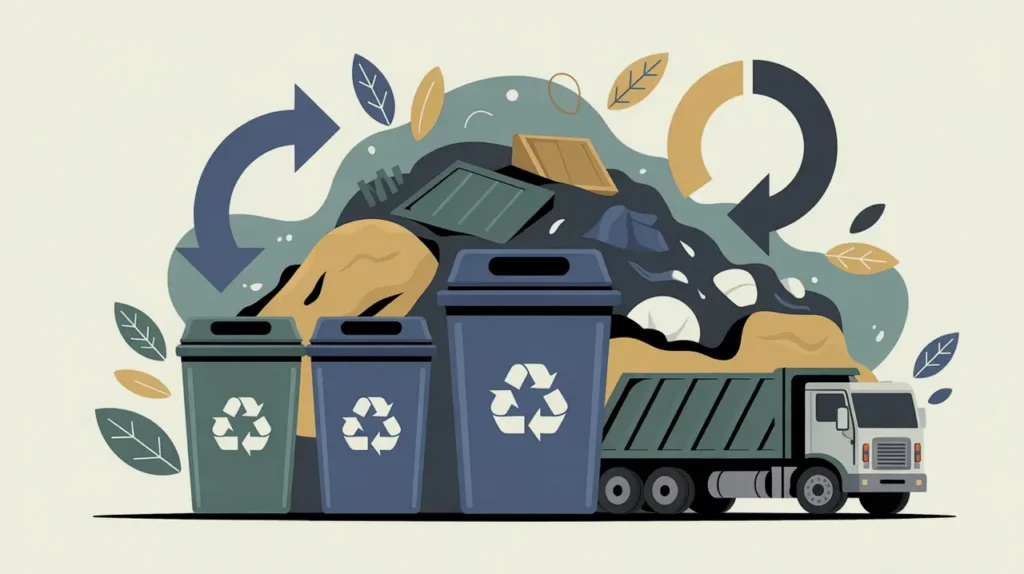
Utilities have significant implications for social innovation because they offer opportunities to design more inclusive and sustainable service models. Innovations such as renewable energy grids, pay-as-you-go water and power systems, and circular waste management create new pathways for access and efficiency. For proximate actors, reliable utilities improve health, productivity, and dignity. Utilities are essential for inclusive growth and sustainable development.