Importance of Electronics Manufacturing
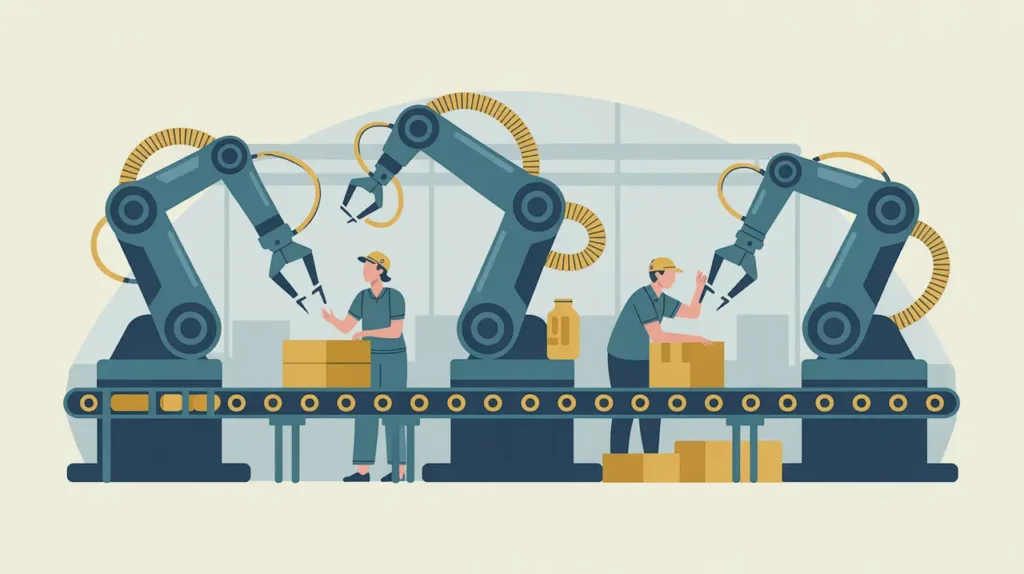
Electronics manufacturing is a cornerstone of the modern global economy, producing the devices and components that power communication, education, health care, and industry. In international development, it enables digital transformation, creates jobs, and drives innovation across sectors. For nonprofits and social innovators, electronics manufacturing matters because it shapes access to affordable technologies that bridge divides in connectivity, learning, and service delivery. Its importance extends to sustainability and equity, as electronic production also raises challenges of labor rights, supply chain ethics, and e-waste.
Definition and Features
Electronics manufacturing refers to the industrial-scale production of electronic devices and components, from consumer goods to industrial systems. Its defining features include:
- Complex Supply Chains: global networks of design, assembly, and distribution.
- Product Diversity: ranging from semiconductors and circuit boards to smartphones and medical equipment.
- Innovation-Driven: rapid cycles of technological advancement and product iteration.
- Labor and Resource Intensity: reliant on skilled workers and rare raw materials.
How this Works in Practice
In practice, electronics manufacturing takes place in highly specialized facilities, often concentrated in industrial clusters in Asia, Europe, and North America. For example, semiconductor plants supply components that feed into mobile devices used in health, education, and agriculture programs across the Global South. Nonprofits and development organizations may engage this field by advocating for ethical sourcing of minerals, promoting fair labor standards, or facilitating access to low-cost devices. Challenges include environmental impacts from energy-intensive production, supply chain vulnerabilities, and inequitable global distribution of technological benefits.
Implications for Social Innovation
Electronics manufacturing has significant implications for social innovation. Affordable devices are essential for digital inclusion, enabling access to mobile banking, e-learning, and telemedicine. Proximate actors benefit when production models prioritize sustainability and equitable access, ensuring technology empowers rather than excludes. Innovations such as modular devices, circular economy recycling, and open hardware design can reduce waste and increase accessibility.