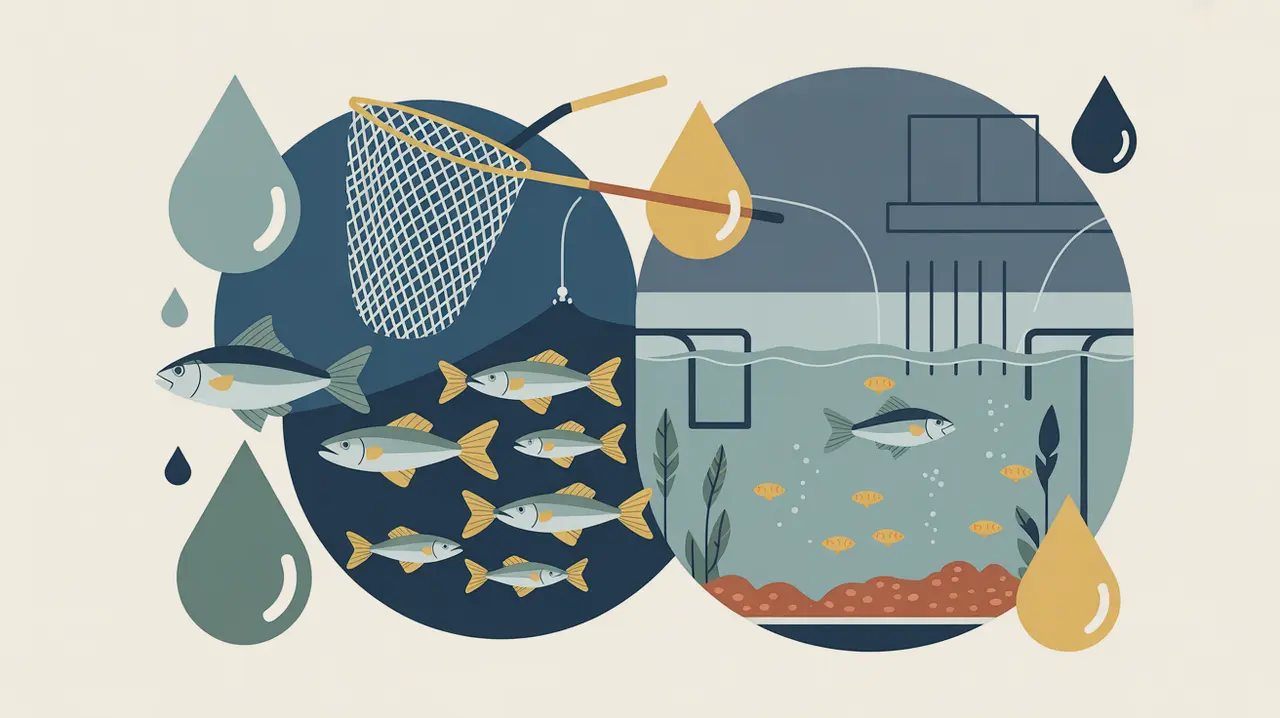
Importance of Fisheries and Aquaculture
Fisheries and aquaculture are vital sources of food security, livelihoods, and economic growth. They provide protein for billions of people and support the incomes of coastal and inland communities around the world. In international development, fisheries and aquaculture are essential for poverty reduction, nutrition, and trade, while also raising concerns about sustainability, overfishing, and climate vulnerability. For nonprofits and social innovators, the sector presents opportunities to balance conservation with livelihoods, ensuring that proximate communities benefit from aquatic resources.
Definition and Features
Fisheries and aquaculture refer to the harvesting of wild aquatic species and the farming of fish, shellfish, and aquatic plants. Their defining features include:
- Food Provision: supplying a significant share of global animal protein.
- Employment: supporting millions of jobs in harvesting, processing, and trade.
- Diversity of Systems: ranging from small-scale artisanal fisheries to industrial fleets and intensive aquaculture farms.
- Sustainability Challenges: threatened by overexploitation, habitat loss, pollution, and climate change.
How this Works in Practice
In practice, fisheries and aquaculture operate through local, national, and global value chains. Small-scale fishers may supply local markets, while industrial fleets export seafood internationally. Aquaculture systems range from household-level ponds to large commercial farms. Development initiatives often focus on improving sustainability through marine protected areas, certification schemes, or climate-resilient aquaculture. For example, NGOs may work with coastal communities to adopt sustainable fishing practices while supporting alternative livelihoods to reduce pressure on marine stocks. Challenges include illegal fishing, lack of enforcement, and inequities in access to resources and markets.
Implications for Social Innovation
Fisheries and aquaculture have strong implications for social innovation, particularly in linking environmental stewardship with economic opportunity. Innovations such as traceability technologies, community-based fisheries management, and sustainable aquaculture models can improve both equity and sustainability. For proximate actors, participation in fisheries governance and value chains ensures that benefits are more fairly distributed. Fisheries and aquaculture are essential for food security, livelihoods, and sustainable development in many regions of the world.