Importance of Communities of Practice and Learning Loops
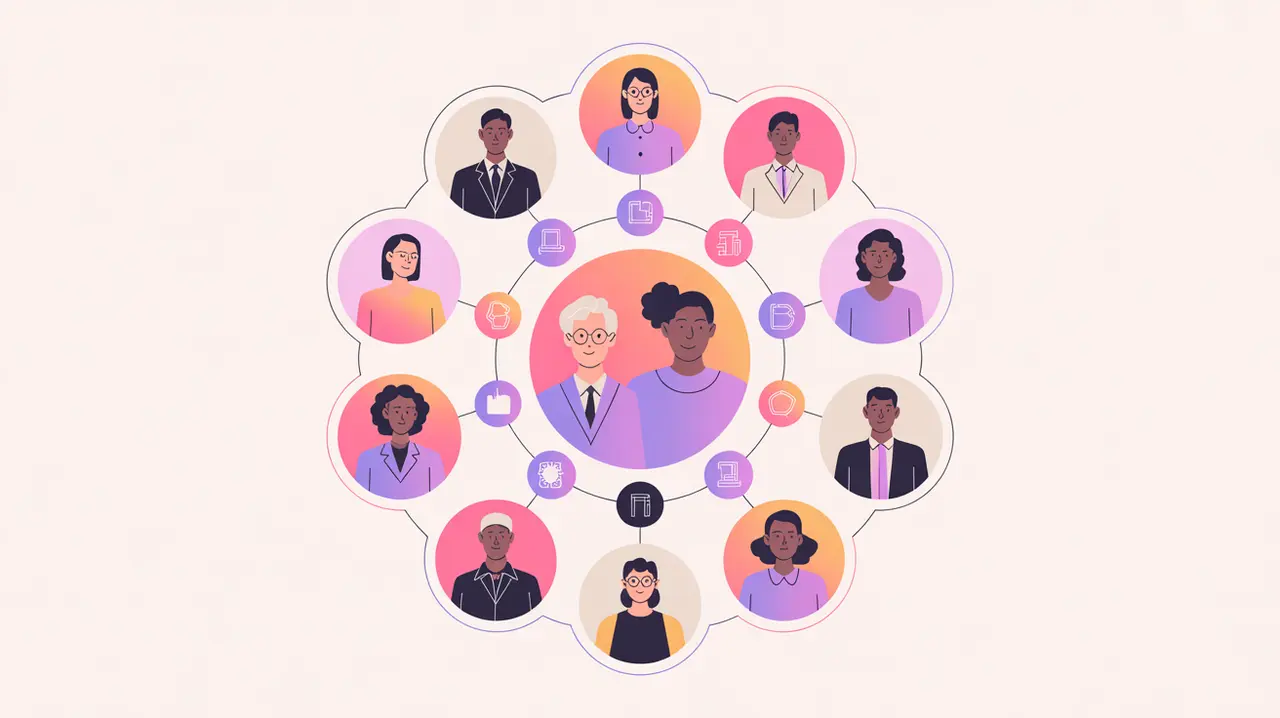
Communities of Practice (CoPs) and Learning Loops are approaches that help people share knowledge, reflect on experience, and build collective capacity over time. A community of practice is a group of people who come together around a shared domain of interest to exchange insights and improve practice. Learning loops are feedback cycles (single, double, or triple loops) that move from correcting actions to questioning assumptions and rethinking underlying values. Their importance today lies in helping organizations adapt to fast-changing technologies like AI by embedding collective learning and reflection into everyday work.
For social innovation and international development, CoPs and learning loops matter because they democratize expertise, foster collaboration across boundaries, and enable adaptive responses to complex challenges.
Definition and Key Features
The concept of communities of practice was popularized by Etienne Wenger in the 1990s, describing informal networks of practitioners learning together. Learning loops are rooted in organizational learning theory, with single-loop learning correcting errors, double-loop learning questioning assumptions, and triple-loop learning examining values and governance.
These are not the same as training programs, which provide formal instruction. Nor are they equivalent to knowledge repositories, which store information without active exchange. CoPs and learning loops emphasize ongoing dialogue, participation, and co-creation of knowledge.
How this Works in Practice
In practice, communities of practice might include teachers collaborating on the use of AI-enabled learning tools, or humanitarian field staff sharing lessons on digital identity systems. Learning loops can be applied in program evaluation: a health NGO might adjust workflows (single-loop), challenge assumptions about patient engagement (double-loop), or reconsider its equity principles in deploying AI (triple-loop).
Challenges include sustaining participation, avoiding capture by dominant voices, and ensuring that insights translate into action. Digital platforms can help but must be designed to encourage inclusivity and meaningful exchange.
Implications for Social Innovators
Communities of practice and learning loops strengthen impact across mission-driven sectors. Health programs can use them to share experiences with AI diagnostics across clinics. Education initiatives can foster teacher-led reflection on adaptive platforms. Humanitarian agencies can create feedback loops that refine crisis response tools over time. Civil society organizations can anchor CoPs around data justice or responsible AI, creating global learning communities.
By cultivating communities of practice and embedding learning loops, organizations create adaptive, inclusive systems that grow smarter and more equitable as they evolve with AI.