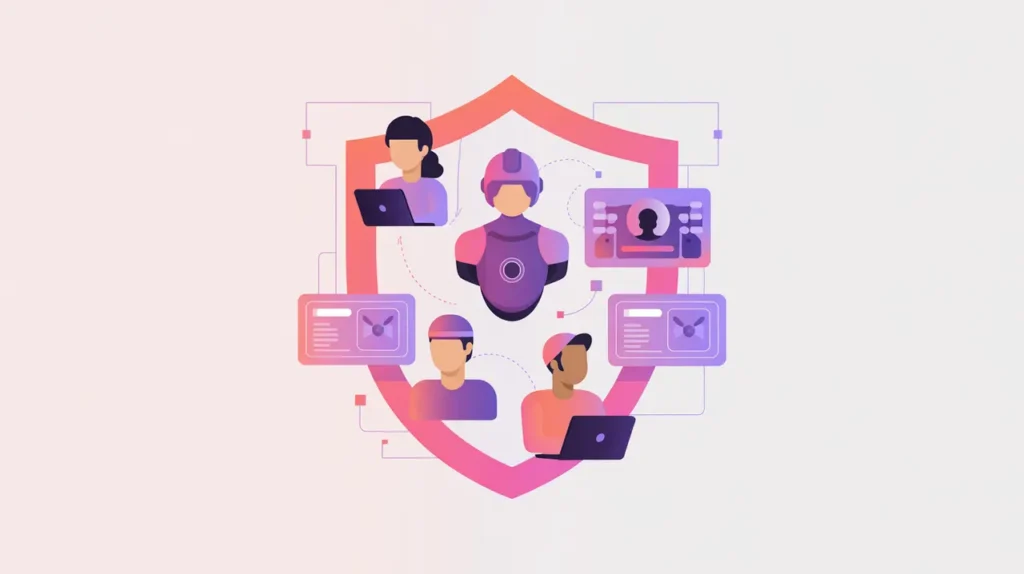
Importance of Digital ID and Authentication Policies
Digital ID and Authentication Policies establish how individuals are identified and verified in digital systems. These frameworks determine the credentials used (such as biometrics, smart cards, or mobile tokens) and the rules that govern their use. Their importance today lies in the growing reliance on digital identity for accessing services, voting, financial inclusion, and humanitarian aid. Without strong policies, digital ID systems risk enabling exclusion, surveillance, or misuse.
For social innovation and international development, digital ID and authentication policies matter because mission-driven organizations often deliver programs in contexts where access to healthcare, education, or aid depends on digital credentials. Ensuring these systems are fair, secure, and rights-respecting is essential to protect vulnerable communities.
Definition and Key Features
Digital ID systems can be government-led (such as India’s Aadhaar), private-sector solutions, or hybrid models. Authentication policies define how identities are verified (using passwords, biometrics, or multi-factor systems) and how data is stored and shared. Global institutions like the World Bank promote digital ID as a pathway to financial inclusion, while civil society highlights risks of exclusion or surveillance.
They are not the same as general cybersecurity practices, which protect systems broadly, nor are they equivalent to privacy laws, which govern data use. Digital ID and authentication policies specifically address identity management and verification.
How this Works in Practice
In practice, digital ID policies may determine whether individuals can access health services, claim humanitarian aid, or enroll in schools. Authentication might involve fingerprint scans, facial recognition, or mobile-based tokens. Strong policies ensure interoperability across systems, protect against identity theft, and provide mechanisms for redress when errors occur.
Challenges include risks of mass surveillance, exclusion of groups without reliable access to technology, and misuse of biometric data. In fragile contexts, poor governance of digital ID systems can endanger rather than protect communities. Balancing efficiency, inclusivity, and rights is a persistent tension.
Implications for Social Innovators
Digital ID and authentication policies directly shape mission-driven work. Health programs may depend on secure IDs for patient tracking and vaccination campaigns. Education initiatives often use digital IDs for student enrollment and credential verification. Humanitarian agencies rely on authentication to deliver food or cash assistance while preventing fraud. Civil society groups advocate for safeguards to ensure digital ID systems protect rights and avoid discriminatory practices.
By embedding strong governance into digital ID and authentication policies, organizations can advance inclusion while protecting individuals from harm and exploitation.