Importance of Consent Management
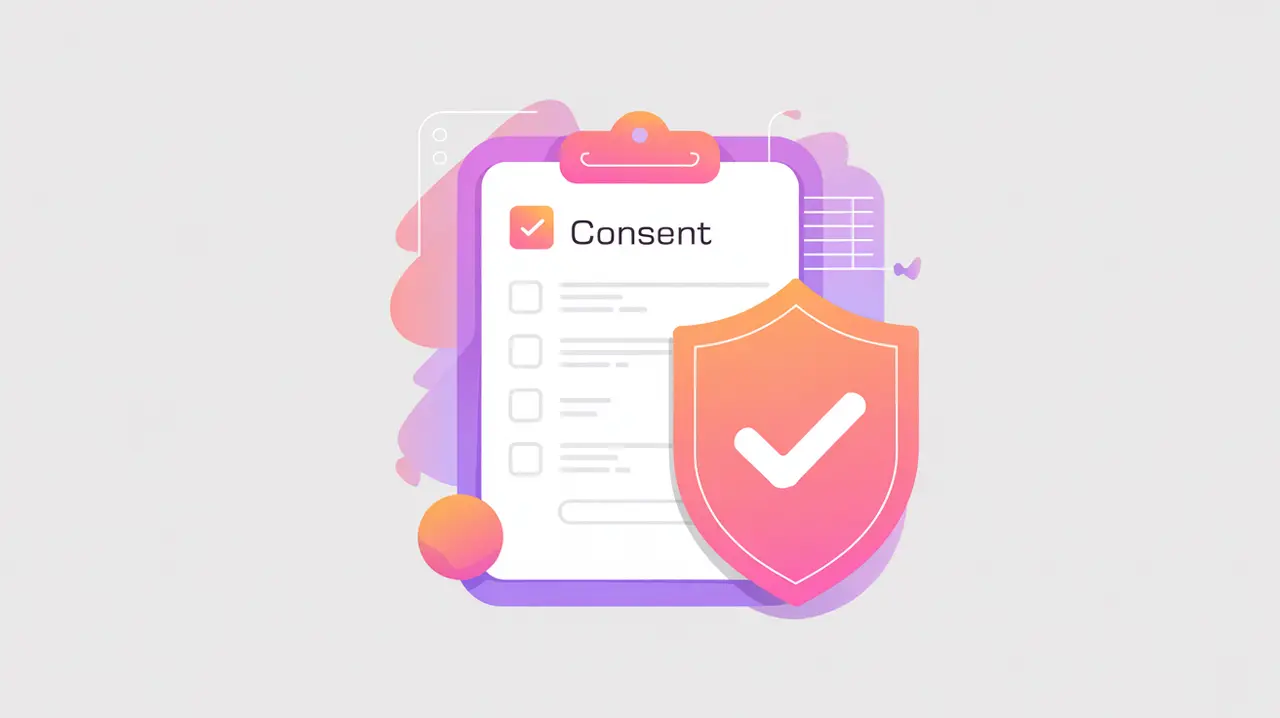
Consent Management refers to the processes and tools that ensure individuals understand, agree to, and retain control over how their data is collected, stored, and used. It is a cornerstone of ethical data governance, enabling transparency and accountability in AI systems. Its importance today lies in the expansion of digital data collection, where consent is often buried in complex legal text or assumed without meaningful choice.
For social innovation and international development, consent management matters because mission-driven organizations frequently work with vulnerable communities. Clear, informed, and accessible consent practices are essential to safeguard trust and uphold the rights of individuals whose data is most sensitive.
Definition and Key Features
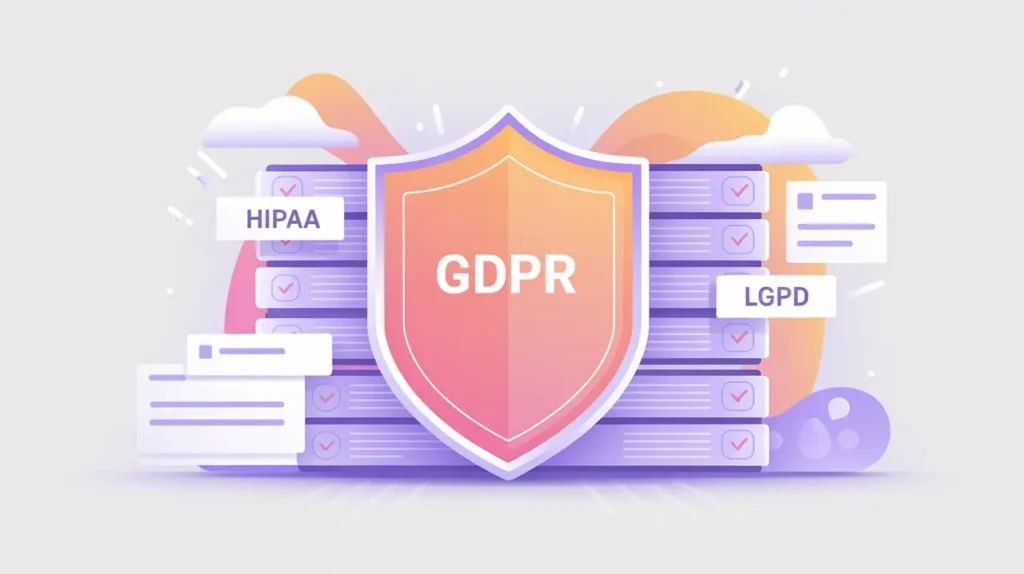
Consent management systems typically include interfaces for requesting, recording, and updating consent, along with mechanisms for withdrawal and auditing. Regulations such as the EU’s GDPR and Kenya’s Data Protection Act require that consent be informed, specific, freely given, and revocable.
It is not the same as notice-only systems, which merely inform individuals about data practices. Nor is it equivalent to blanket waivers that offer no meaningful choice. Consent management emphasizes active participation and ongoing agency.
How this Works in Practice
In practice, consent management may take the form of mobile apps, dashboards, or paper-based processes that allow individuals to control how their data is shared. For example, a health NGO might use digital forms that let patients opt in to specific uses of their records, with the ability to withdraw later. AI systems can integrate dynamic consent mechanisms, allowing preferences to evolve over time.
Challenges include ensuring that consent is truly informed (not obscured by technical jargon), preventing coercion in contexts of power imbalance, and making systems accessible to populations with low literacy or limited connectivity. Cultural differences also influence how consent is understood and practiced.
Implications for Social Innovators
Consent management directly impacts mission-driven work. Health programs use it to protect patient rights in clinical data and research. Education initiatives ensure parents and students agree to how learning data is processed. Humanitarian agencies must obtain meaningful consent for collecting refugee or crisis-affected community data. Civil society organizations often advocate for stronger consent practices as part of digital rights campaigns.
By embedding consent management into AI and data systems, organizations strengthen accountability, uphold dignity, and build trust with the communities they serve.