What Does the Program Director Role Involve?
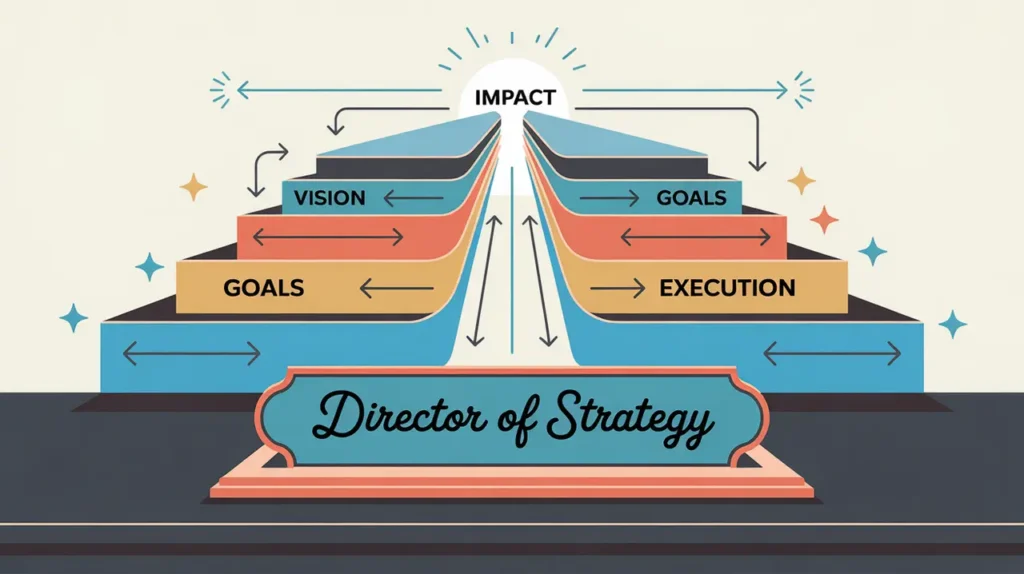
A Program Director is responsible for leading and overseeing one or more programs within an organization, ensuring that strategic objectives are met and that implementation is effective, efficient, and impactful. They set program direction, design strategies, manage teams, oversee budgets, and maintain accountability to funders and stakeholders. Program Directors ensure that programs align with the organization’s mission and integrate seamlessly with organizational strategy, operations, and external partnerships.
In nonprofits and social enterprises, Program Directors play a central leadership role. They shape programmatic vision, steward resources, and build relationships that enable the organization to deliver sustained social impact.
At What Level does this Role Operate?
Senior Level: Program Directors typically operate at a senior leadership level, reporting to the Executive Director, CEO, or Chief Program Officer. They lead program teams, manage multiple managers or officers, and coordinate with other directors across finance, operations, policy, and partnerships to align organizational priorities.
Relative Employability: Program Director roles are in high demand across nonprofits, foundations, international NGOs, and social enterprises that run large or complex programs. Their strategic and operational leadership skills are critical in contexts involving multi-donor funding, multi-country operations, or cross-sector partnerships.
Relative Pay Scale: Program Directors generally occupy the upper pay bands within mission-driven organizations. Their compensation reflects their strategic oversight, leadership responsibilities, and accountability for impact and resources, positioned below executive leadership but above program management and specialist roles.
What are the Key Responsibilities and Activities?
- Provide strategic leadership for program design, planning, and implementation
- Align programs with organizational mission, strategy, and performance frameworks
- Oversee program budgets, ensuring financial accountability and alignment with funding requirements
- Lead, manage, and mentor program teams, setting clear goals and fostering high performance
- Ensure program compliance with donor agreements, regulatory frameworks, and internal policies
- Oversee monitoring, evaluation, and learning systems to assess impact and inform decision making
- Build and manage relationships with funders, partners, governments, and other stakeholders
- Represent the organization in external forums, policy discussions, and strategic partnerships
- Identify opportunities for program innovation, scaling, and sustainability
What Core Competencies and Qualifications are Needed?
Required Qualifications and Experience
The following reflect common qualifications and experience expected for this role, while recognizing that pathways may vary by context, organization, and region.
- Relevant academic background in program management, public policy, social sciences, international development, or related fields
- Significant experience managing large or complex programs, preferably in nonprofit or social enterprise settings
- Strong knowledge of program strategy, planning, implementation, and evaluation
- Experience managing budgets, teams, and stakeholder relationships at a senior level
- Proven ability to design and lead multi-stakeholder initiatives
Key Competencies
- Strategic thinking and ability to translate vision into operational plans
- Leadership and team management skills, with a focus on capacity building and performance
- Strong financial and operational management capabilities
- Excellent communication and representation skills
- Analytical ability to assess program impact and drive adaptive learning
- Political acumen and ability to navigate complex stakeholder environments
How are AI and Automation Shaping this Role?
An AI-native Program Director can use AI to integrate real-time program data into strategic decision making, forecast risks, and identify opportunities for optimization. AI tools can automate reporting, aggregate insights from multiple programs, and support evidence-based strategic planning. Predictive analytics can inform resource allocation and scaling strategies, while workflow automation can streamline operations, allowing directors to focus on leadership, partnership building, and innovation.
What Career Pathways and Transferable Skills are Associated with this Role?
Program Directors can progress to roles such as Chief Program Officer, Chief Operating Officer, or Executive Director. Their skills in strategic leadership, program management, and stakeholder engagement are transferable to senior roles in organizational leadership, philanthropy, consulting, and multilateral institutions. Over time, they may take on responsibility for shaping organizational strategy, leading multi-program portfolios, or influencing policy and systems change at national or global levels.