What Does the Platform Coordinator Role Involve?
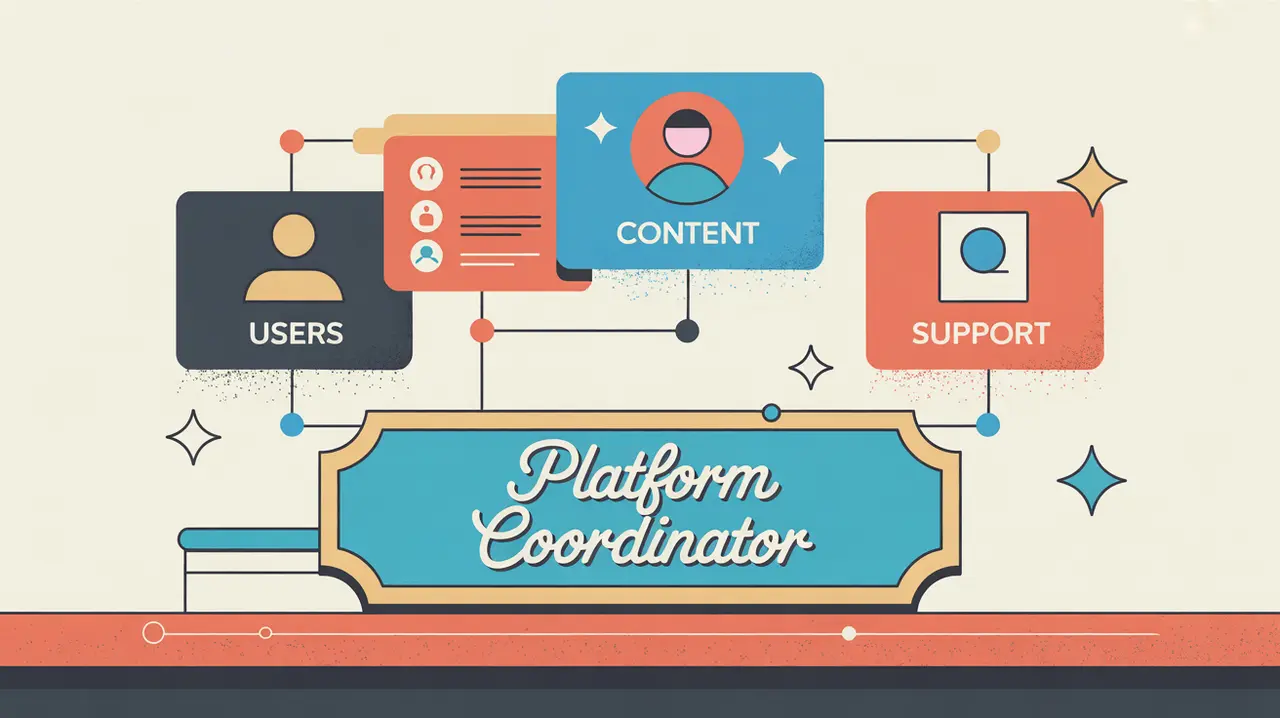
A Platform Coordinator is responsible for supporting the day-to-day management, maintenance, and coordination of digital platforms that enable organizational operations, programs, or community engagement. They ensure that platforms run smoothly, data and content are up to date, user needs are addressed, and platform activities are aligned with organizational objectives.
In nonprofits and social enterprises, Platform Coordinators often work across teams to support websites, learning platforms, CRM systems, or collaborative tools. Their role combines operational execution, user support, and administrative oversight to maintain reliable and effective digital infrastructure.
At What Level does this Role Operate?
Entry to Mid Level: Platform Coordinators typically operate with moderate autonomy, reporting to a Platform Manager, Technology Lead, or Digital Strategy Director. They focus on operational tasks, content management, user support, and coordination between technical teams and non-technical users.
Relative Employability: Platform Coordinator roles are increasingly common as organizations rely on digital systems for program delivery, communications, and data management. Their skills are relevant across nonprofits, social enterprises, and other mission-driven organizations adopting digital tools.
Relative Pay Scale: Platform Coordinators usually fall within the lower to mid pay bands. Compensation is typically aligned with administrative and operational roles with a technical component, sitting above clerical positions but below specialist or lead roles.
What are the Key Responsibilities and Activities?
- Manage day-to-day operations of digital platforms, ensuring functionality, reliability, and user accessibility
- Update content, data, and configurations on platforms in coordination with program and technical teams
- Support onboarding and training of platform users, responding to inquiries and troubleshooting issues
- Monitor platform usage, flag technical problems, and escalate as needed
- Coordinate with IT or external vendors for maintenance, updates, or improvements
- Maintain documentation of platform processes, user guides, and operational protocols
- Track platform performance and usage metrics to inform improvements
- Assist in implementing platform upgrades or feature rollouts
What Core Competencies and Qualifications are Needed?
Required Qualifications and Experience
The following reflect common qualifications and experience expected for this role, while recognizing that pathways may vary by context, organization, and region.
- Relevant academic background in information systems, communications, administration, or related fields
- Experience managing or coordinating digital platforms, CMS tools, or CRM systems
- Familiarity with basic technical troubleshooting and user support
- Strong organizational and communication skills for cross-team coordination
Key Competencies
- Basic technical proficiency with platform management tools and software
- Attention to detail in maintaining content and data accuracy
- Strong organizational skills to manage multiple platform activities concurrently
- Effective communication skills for liaising between technical and non-technical stakeholders
- Problem-solving mindset and responsiveness to user needs
- Capacity to document processes clearly and consistently
How are AI and Automation Shaping this Role?
An AI-native Platform Coordinator can use AI tools to automate content updates, monitor platform performance, and identify technical issues before they escalate. AI-powered chatbots can assist with user support, while automation workflows can streamline onboarding, reporting, and routine maintenance tasks. This allows Platform Coordinators to focus more on improving user experience, optimizing platform usage, and coordinating enhancements.
What Career Pathways and Transferable Skills are Associated with this Role?
Platform Coordinators can progress to roles such as Platform Specialist, Digital Operations Lead, Technology Manager, or CRM Manager. Their blend of operational and technical skills is transferable to roles in IT management, digital strategy, program operations, and product support. Over time, they may take on responsibility for leading platform strategy, integrating multiple systems, or managing larger digital ecosystems.