What Does the Monitoring Officer Role Involve?
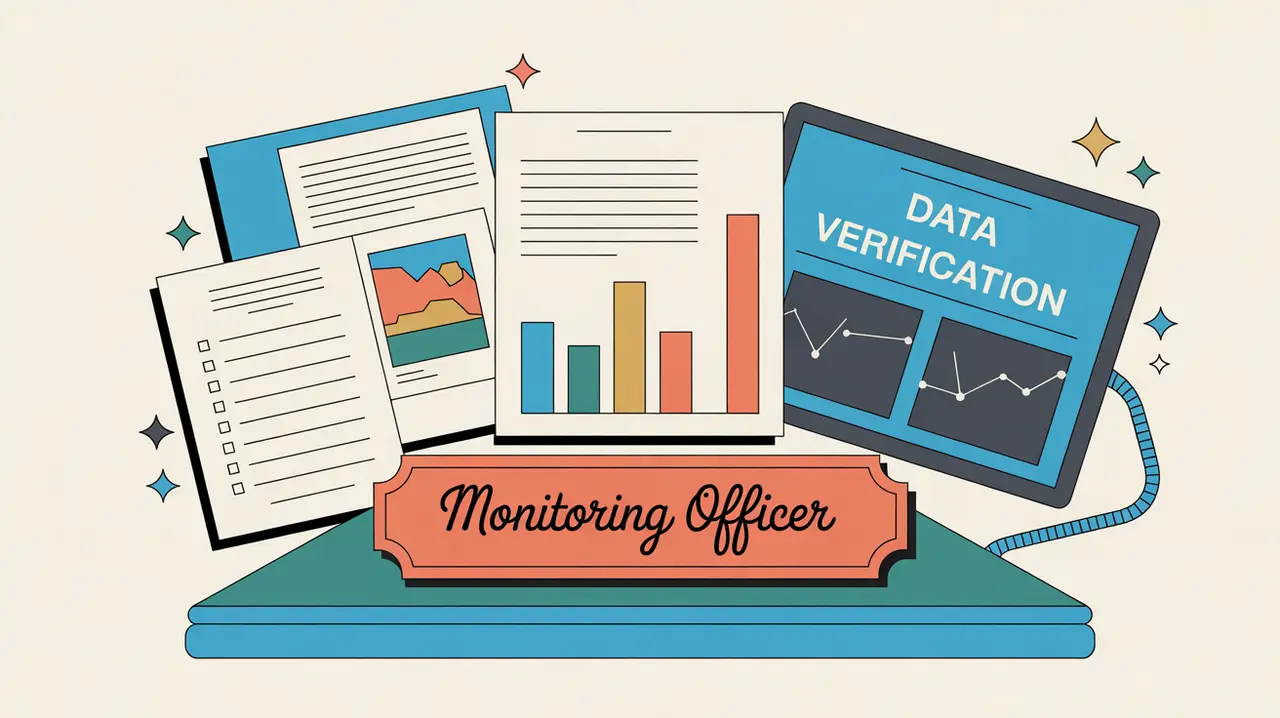
A monitoring officer is responsible for implementing monitoring systems that track program activities, outputs, and outcomes, ensuring data quality, and supporting evidence-based decision making. This includes coordinating data collection, conducting quality checks, maintaining databases, producing monitoring reports, and working closely with program teams to ensure data is timely and useful. The role typically sits within MEL (Monitoring, Evaluation, and Learning), research, or program delivery functions. In nonprofits and social enterprises, monitoring officers ensure that accurate and relevant data informs program performance, accountability, and learning.
At What Level does this Role Operate?
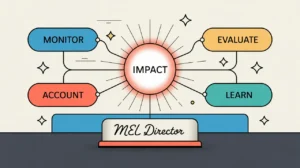
Mid Level: This role typically reports to a monitoring manager, MEL lead, or MEL director. It involves significant responsibility for implementing monitoring frameworks, supervising monitoring assistants or field data collectors, and ensuring the integrity of data systems.
Relative Employability: Monitoring officer roles are widely available across nonprofits, social enterprises, development agencies, and international NGOs. As organizations expand monitoring requirements and strengthen their evidence functions, demand for professionals with strong data and monitoring skills continues to grow.
Relative Pay Scale: Monitoring officer roles sit within mid-level pay bands, reflecting their technical expertise, operational responsibilities, and contribution to program performance.
What are the Key Responsibilities and Activities?
- Implement monitoring systems and frameworks in collaboration with program and MEL teams
- Coordinate data collection activities and ensure data is accurate, complete, and timely
- Supervise monitoring assistants or field data collectors to ensure adherence to protocols
- Conduct data quality checks and resolve discrepancies or missing information
- Maintain and update monitoring databases and dashboards
- Produce regular monitoring reports and summaries for program teams and funders
- Support program teams in using data for decision making and adaptive management
- Identify areas for improvement in monitoring processes and contribute to system enhancements
What Core Competencies and Qualifications are Needed?
Required Qualifications and Experience
The following reflect common qualifications and experience expected for this role, while recognizing that pathways may vary by context, organization, and region.
- Academic background in social sciences, statistics, economics, development studies, or related fields, or equivalent professional experience
- Experience implementing monitoring systems in nonprofits, social enterprises, or development contexts
- Proficiency in data collection, database management, and quality assurance practices
- Ability to work collaboratively with program and MEL teams
- Strong analytical and communication skills
- Familiarity with funder reporting requirements and relevant monitoring standards
Key Competencies
- Monitoring system implementation and coordination
- Data collection oversight and quality control
- Database maintenance and reporting
- Team supervision and collaboration
- Analytical thinking and problem solving
- Contribution to continuous monitoring improvements
How are AI and Automation Shaping this Role?
An AI-native monitoring officer will look to AI and automation to strengthen data accuracy, streamline data flows, and enhance reporting. They can use automated data validation tools, AI-assisted anomaly detection, and real-time dashboards to identify issues quickly. Automation can also reduce manual data entry and reporting tasks, allowing monitoring officers to focus more on system improvement, interpretation, and supporting adaptive program decisions.
What Career Pathways and Transferable Skills are Associated with this Role?
Monitoring officer roles can lead to positions such as monitoring manager, MEL specialist, or MEL lead. The skills developed in monitoring system implementation, data quality assurance, reporting, and team supervision are highly transferable across nonprofits, social enterprises, development agencies, and research organizations. This role provides a strong platform for advancing into leadership positions within MEL and evidence functions.