What Does the Logistics Lead Role Involve?
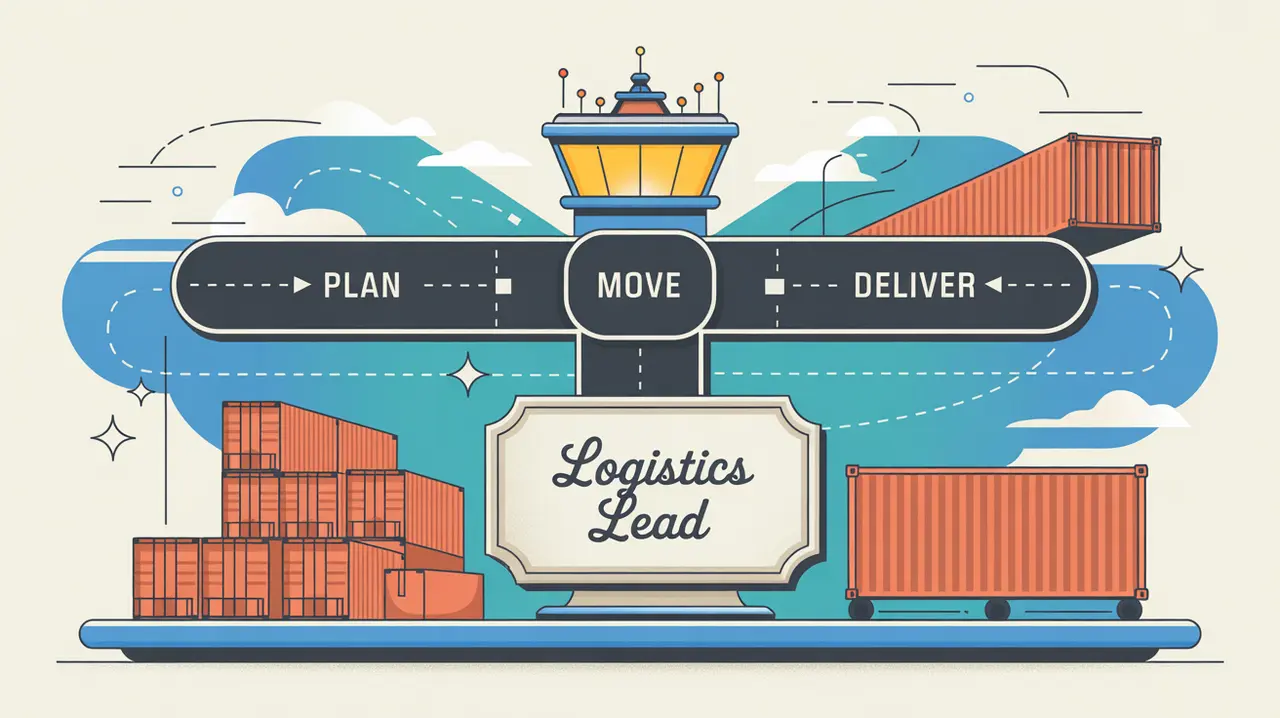
A logistics lead is responsible for overseeing and managing the full range of logistics operations within an organization. This includes supervising logistics staff, coordinating transportation and distribution activities, maintaining inventory systems, managing vendor relationships, and ensuring compliance with policies and regulations. The role typically sits within operations, supply chain, or program delivery functions. In nonprofits and social enterprises, logistics leads play a crucial role in ensuring that goods, materials, and resources are delivered efficiently and reliably to support programs, services, and organizational goals.
At What Level does this Role Operate?
Mid Level: This role typically reports to an operations manager, supply chain director, or head of logistics. It involves supervisory responsibilities over logistics clerks or coordinators and holds significant accountability for ensuring that logistics processes are optimized and aligned with organizational needs.
Relative Employability: Logistics lead roles are consistently needed across nonprofits, social enterprises, and humanitarian organizations that depend on reliable supply chains and distribution networks. Skilled logistics leads are particularly valued in organizations that operate across multiple locations or in complex contexts.
Relative Pay Scale: Logistics lead roles sit within mid-level pay bands, reflecting their blend of supervisory responsibilities, operational leadership, and strategic contribution to logistics planning.
What are the Key Responsibilities and Activities?
- Lead and supervise logistics teams, including coordinators and clerks, ensuring smooth day-to-day operations
- Oversee transportation, storage, and distribution activities to ensure timely and accurate delivery of goods and materials
- Manage vendor relationships, contracts, and service level agreements to ensure quality and cost-effectiveness
- Develop and monitor logistics plans, schedules, and workflows to optimize operations
- Ensure compliance with procurement, transportation, and storage regulations, as well as organizational policies
- Oversee inventory management systems, ensuring data accuracy and effective stock control
- Identify risks, delays, or inefficiencies in logistics processes and implement corrective measures
- Provide regular reporting and analysis on logistics performance to inform operational planning and decision making
What Core Competencies and Qualifications are Needed?
Required Qualifications and Experience
The following reflect common qualifications and experience expected for this role, while recognizing that pathways may vary by context, organization, and region.
- Academic background in logistics, supply chain management, business administration, or related fields, or equivalent professional experience
- Several years of progressive experience in logistics, supply chain, or operations roles, including supervisory responsibilities
- Strong understanding of supply chain systems, inventory management, and transportation logistics
- Proficiency with logistics software, inventory systems, and data analysis tools
- Excellent leadership, communication, and problem-solving skills
- Ability to manage multiple priorities and coordinate across internal and external stakeholders
Key Competencies
- Team leadership and supervision
- Transportation and distribution oversight
- Vendor and contract management
- Inventory planning and control
- Regulatory and policy compliance
- Risk management and operational problem solving
- Data-driven planning and reporting
How are AI and Automation Shaping this Role?
An AI-native logistics lead will look to AI and automation to enhance supply chain visibility, optimize routing and scheduling, and improve inventory accuracy. They can use AI tools to forecast demand, identify potential bottlenecks, and generate performance dashboards in real time. Automation can integrate data across procurement, inventory, and transportation systems, reducing manual errors and streamlining reporting. By leveraging these tools, logistics leads can focus on strategic decision making, performance optimization, and leadership.
What Career Pathways and Transferable Skills are Associated with this Role?
Logistics lead roles can lead to positions such as supply chain manager, operations director, procurement manager, or logistics head. The skills developed in leadership, vendor management, operational planning, and strategic logistics oversight are highly transferable across nonprofits, social enterprises, humanitarian organizations, and the private sector. This role provides a strong platform for advancing into senior leadership positions within operations and supply chain functions.