What Does the Director of Culture Role Involve?
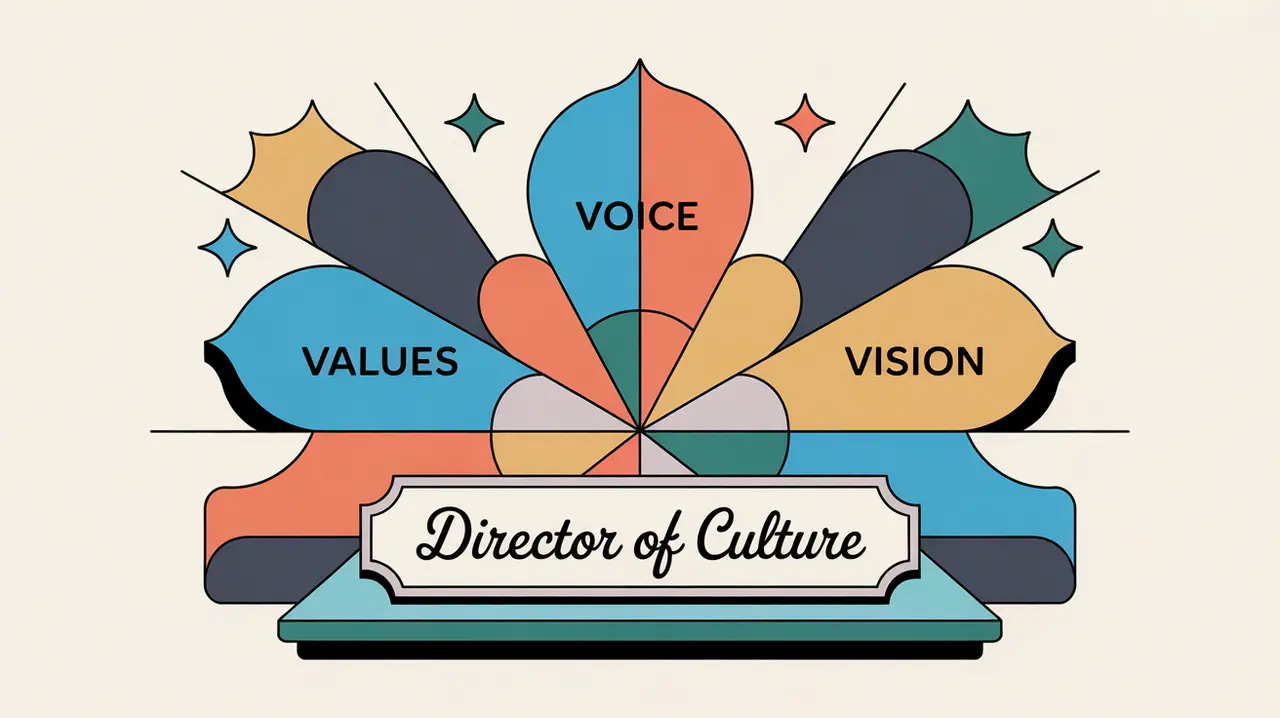
A director of culture is responsible for shaping, nurturing, and sustaining the organization’s internal culture to align with its mission, values, and strategic priorities. This involves leading initiatives related to employee engagement, organizational values, diversity and inclusion practices, leadership development, and change management. The role typically sits within the people, human resources, or executive function and works closely with leadership, HR teams, and department heads. In both nonprofits and social enterprises, directors of culture play a critical role in creating environments where employees feel valued, connected, and equipped to contribute meaningfully to the organization’s goals.
At What Level does this Role Operate?
Executive Level: This role typically reports to the chief people officer, chief executive officer, or another member of the executive team. It involves strategic leadership across departments, oversight of culture-building initiatives, and regular engagement with senior leaders to align organizational culture with strategic direction.
Relative Employability: Director of culture roles are growing in importance across nonprofits, social enterprises, philanthropic organizations, and mission-driven companies. As organizations place greater emphasis on values-driven leadership, employee well-being, and adaptive change, experienced culture leaders are increasingly sought after.
Relative Pay Scale: Within nonprofits and social enterprises, director of culture roles sit in the executive pay bands, reflecting their influence on organizational strategy, leadership development, and employee experience.
What are the Key Responsibilities and Activities?
- Develop and lead organizational culture strategies that align with mission, values, and strategic objectives
- Design and implement initiatives to foster employee engagement, collaboration, and well-being
- Partner with leadership and HR teams to embed values and culture into hiring, onboarding, performance, and development processes
- Lead change management strategies that support cultural evolution during periods of growth, restructuring, or strategic shifts
- Support leadership development initiatives to cultivate inclusive and values-based leadership practices
- Monitor and assess organizational culture through surveys, focus groups, and other feedback mechanisms
- Collaborate with communications teams to articulate and reinforce cultural narratives internally
- Advise executives and boards on cultural trends, challenges, and opportunities
What Core Competencies and Qualifications are Needed?
Required Qualifications and Experience
The following reflect common qualifications and experience expected for this role, while recognizing that pathways may vary by context, organization, and region.
- Relevant academic background in human resources, organizational development, psychology, business administration, or a related field, or equivalent professional experience
- Extensive experience in organizational development, culture building, HR leadership, or change management
- Proven ability to design and lead culture strategies in complex organizations
- Strong facilitation, communication, and leadership development skills
- Familiarity with organizational dynamics in mission-driven or multi-stakeholder environments
Key Competencies
- Strategic culture leadership and alignment
- Organizational development and change management
- Employee engagement and well-being strategies
- Inclusive leadership development
- Cross-departmental collaboration and influence
- Analytical and advisory skills for culture assessment
How are AI and Automation Shaping this Role?
An AI-native director of culture will look to AI and automation to gather and interpret employee feedback, track engagement trends, and personalize cultural interventions. They can use AI tools to analyze survey data, detect emerging cultural challenges, and support leadership with real-time insights. Automation can streamline engagement surveys, onboarding communications, and cultural touchpoints, allowing directors to focus on strategy, leadership alignment, and shaping meaningful employee experiences. By integrating AI thoughtfully, directors of culture can create more responsive and inclusive cultural ecosystems.
What Career Pathways and Transferable Skills are Associated with this Role?
Director of culture roles can lead to positions such as chief people officer, chief operating officer, or other executive leadership roles focused on organizational development and strategy. The skills developed in leadership development, organizational design, change management, and culture building are highly transferable across nonprofits, social enterprises, government, and private sector organizations. This role provides a strong foundation for shaping environments that foster innovation, collaboration, and mission alignment at scale.