What Does the Chief Impact Officer Role Involve?
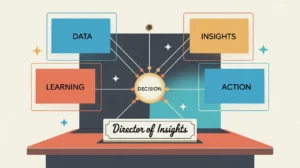
A chief impact officer (CIO) is responsible for defining, leading, and integrating an organization’s overall impact strategy to ensure that its mission translates into measurable and meaningful outcomes. This involves overseeing impact measurement and evaluation, shaping strategic initiatives, guiding program design to align with intended outcomes, and fostering a culture of learning and accountability. The CIO ensures that impact data informs strategy, operations, fundraising, and external communications. They work closely with the CEO, board, program leaders, and external partners to align resources and activities with the organization’s theory of change. The role typically spans strategy, programs, data, and external relations. In both nonprofits and social enterprises, the CIO plays a critical role in making impact visible, credible, and actionable.
At What Level does this Role Operate?
Executive Level: This role operates at the highest level of organizational leadership, typically reporting to the CEO or president and serving as part of the executive team. The CIO leads impact, monitoring and evaluation, and learning functions, working across departments to embed evidence and accountability in decision making.
Relative Employability: Executive impact leadership roles are increasingly sought across nonprofits, social enterprises, philanthropic organizations, and international NGOs. Demand is growing for leaders who can bridge strategy, evidence, and practice to demonstrate results and guide learning.
Relative Pay Scale: Within nonprofits and social enterprises, chief impact officer roles sit in the highest pay bands for leadership positions. Compensation reflects the strategic significance of impact in funding, program design, and organizational positioning.
What are the Key Responsibilities and Activities?
- Define and lead the organization’s impact strategy and ensure alignment with mission and strategic goals
- Oversee impact measurement, evaluation, and learning functions
- Guide program and strategy teams in designing initiatives that achieve intended outcomes
- Ensure that impact data informs strategy, operations, and external communications
- Develop systems for data collection, analysis, and reporting that meet funder, regulatory, and organizational requirements
- Build a culture of learning, reflection, and continuous improvement across the organization
- Represent the organization externally to partners, funders, and networks on impact strategy and evidence
- Advise the CEO, board, and executive team on impact-related trends, risks, and opportunities
What Core Competencies and Qualifications are Needed?
Required Qualifications and Experience
The following reflect common qualifications and experience expected for this role, while recognizing that pathways may vary by context, organization, and region.
- Relevant academic background in public policy, social science, evaluation, international development, or a related field, or equivalent professional experience
- Extensive leadership experience in impact strategy, monitoring and evaluation, or organizational learning
- Strong knowledge of impact measurement frameworks, data analysis, and evidence generation
- Experience advising senior leadership and working across departments to integrate impact considerations into strategy and operations
- Familiarity with funder reporting requirements and external accountability standards
Key Competencies
- Strategic leadership in impact and evidence
- Deep understanding of monitoring, evaluation, and learning practices
- Analytical skills and ability to translate data into actionable insights
- Excellent communication and storytelling abilities for impact narratives
- Cross-functional leadership and collaboration skills
- Commitment to learning, equity, and evidence-based practice
How are AI and Automation Shaping this Role?
An AI-native chief impact officer will look to AI and automation to enhance data collection, analysis, and insight generation. They can use AI tools to identify patterns in large datasets, forecast program outcomes, and automate elements of impact reporting. Automation can support real-time data dashboards, funder reporting, and evaluation workflows, allowing the CIO to focus on strategic interpretation, learning, and adaptation. By integrating AI thoughtfully, CIOs can deepen the organization’s ability to measure, understand, and communicate its impact.
What Career Pathways and Transferable Skills are Associated with this Role?
Chief impact officer roles represent senior leadership positions that shape how organizations define and achieve their mission. From this role, professionals may advance to CEO, strategy leadership, or advisory positions, leveraging their ability to bridge evidence, strategy, and practice. The combination of strategic vision, analytical expertise, and organizational leadership developed in this role is transferable across nonprofits, social enterprises, philanthropic institutions, research organizations, and mission-driven companies.