Importance of Governments & Public Agencies as AI Regulators & Users
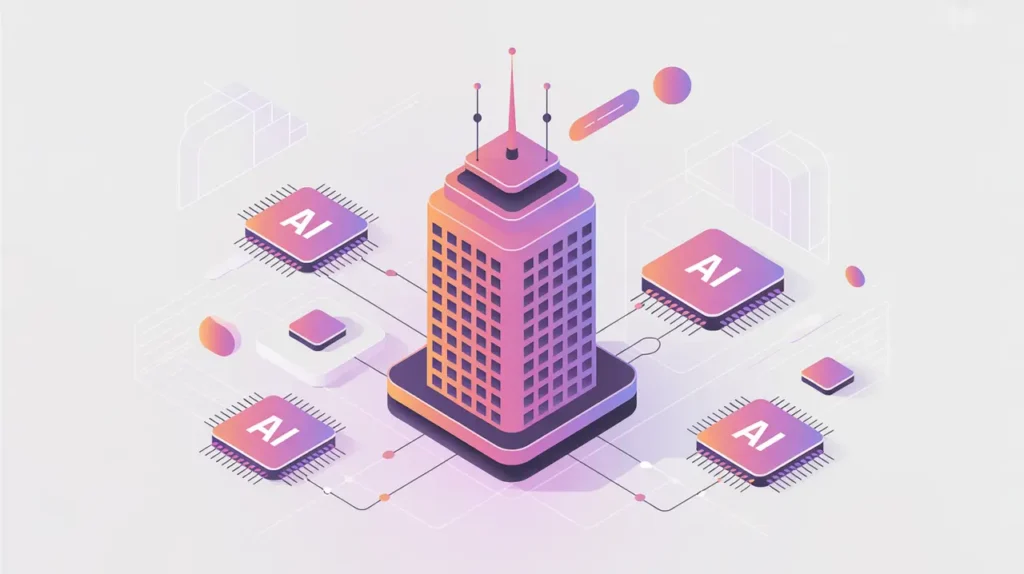
Governments and public agencies play dual roles in the AI era: they regulate the use of artificial intelligence to protect rights and safety, while also adopting AI to improve public services. Their importance today lies in balancing innovation with oversight. This can ensure that AI fosters development and efficiency without undermining equity or trust.
For social innovation and international development, governments matter because their policies shape national AI ecosystems, while their use of AI directly affects citizens, particularly in health, education, and social protection.
Definition and Key Features
Governments regulate AI by establishing legal frameworks, standards, and enforcement mechanisms. They also act as large-scale adopters, applying AI in areas like digital ID, predictive policing, social welfare targeting, and tax administration. Public agencies often collaborate with private companies, researchers, and civil society to build AI capacity.
This is not the same as multilateral institutions, which create international norms. Nor is it equivalent to private sector adoption, which is driven by market incentives. Governments are uniquely accountable to citizens and must act in the public interest.
How this Works in Practice
In practice, governments may deploy AI to detect fraud in social protection programs, improve traffic management, or expand access to online education. Regulatory functions may involve licensing AI systems, mandating transparency, or enforcing data protection. Public agencies must also invest in digital infrastructure, skills development, and safeguards against bias and misuse.
Challenges include limited technical expertise in public institutions, risks of surveillance overreach, procurement systems that favor large vendors, and uneven capacity between high- and low-income countries. Trust in government AI use depends on transparency, accountability, and citizen participation.
Implications for Social Innovators
Government roles as AI regulators and users have major implications for mission-driven work. Health NGOs often operate within government frameworks for digital health systems. Education nonprofits align with public sector adoption of adaptive learning platforms. Humanitarian organizations must engage with government-run digital ID or refugee registration systems. Civil society advocates push for regulations that protect rights while enabling innovation.
By acting as both regulators and users, governments and public agencies shape the conditions under which AI can contribute to inclusive development and accountable governance.