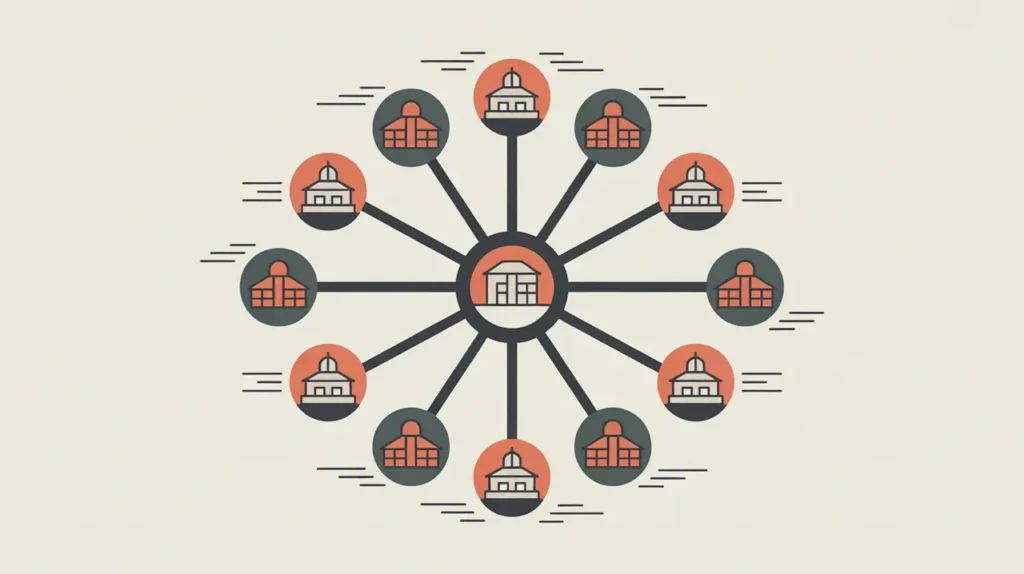
Importance of Digital Platforms
Digital platforms create virtual spaces where services, resources, and interactions are facilitated through technology. They matter because they expand access, reduce transaction costs, and connect people and organizations across geographic and institutional boundaries. In development and social innovation, digital platforms enable scaling of ideas, democratization of information, and new forms of collaboration that were previously impossible.
Definition and Features
A digital platform is a delivery model that uses web- or app-based infrastructure to connect providers and users of services, knowledge, or resources. Its defining features include:
- Connectivity – links multiple actors in real time across distances.
- Scalability – can expand reach quickly with relatively low marginal costs.
- Interactivity – enables two-way communication, feedback, and participation.
- Data-Driven – collects and analyzes user data to inform adaptation and personalization.
- Flexibility – supports diverse functions, from marketplaces to learning hubs to civic engagement tools.
How this Works in Practice
In practice, digital platforms might deliver telemedicine services, connect farmers to markets, or host online learning communities. Platforms like crowdfunding sites channel resources directly to projects, while civic tech platforms allow citizens to report service issues or engage in policymaking. Social innovators often use hybrid models that combine digital platforms with on-the-ground delivery. Challenges include the digital divide, privacy concerns, trust in online systems, and ensuring inclusivity for marginalized groups.
Implications for Social Innovation
Digital platforms advance social innovation by creating infrastructure for scale, transparency, and participation. For practitioners, they provide new ways to deliver services and engage communities at lower cost. For funders and policymakers, they offer opportunities to strengthen accountability and extend reach across populations. Digital platforms can function as ecosystems. They can enable diverse actors to exchange value, ideas, and services in ways that reconfigure how social change happens.