Importance of Community-Based Delivery
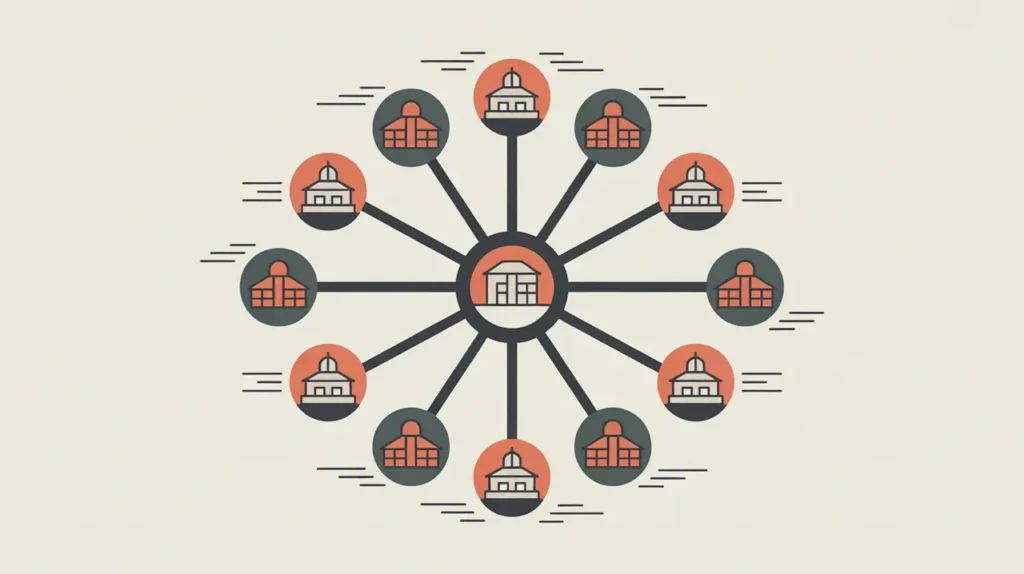
Community-based delivery places responsibility for service provision and program implementation directly in the hands of local actors. It matters because communities often know their needs, resources, and cultural dynamics better than external organizations. In development and social innovation, this model strengthens ownership, trust, and sustainability by ensuring that solutions are shaped and managed by those most affected.
Definition and Features
Community-based delivery is a model where services are designed, led, or delivered primarily through community members and organizations. Its defining features include:
- Local Ownership – centers decision-making and implementation within the community.
- Embedded Knowledge – leverages cultural, social, and contextual expertise of residents.
- Participatory Processes – involves communities in planning, monitoring, and evaluation.
- Sustainability – builds capacity for long-term, locally managed initiatives.
- Trust and Accessibility – enhances credibility and ensures services are relevant and reachable.
How this Works in Practice
In practice, community-based delivery might include community health workers providing basic medical care in rural areas, or local cooperatives managing water and sanitation systems. Education initiatives may train parents and community groups to support literacy programs, while agricultural projects may rely on farmer-led extension networks. Challenges include resource limitations, uneven capacity across communities, and the need for supportive linkages with larger systems and institutions.
Implications for Social Innovation
Community-based delivery supports social innovation by rooting change in the lived realities of people and places. For practitioners, it ensures programs are relevant, adaptable, and resilient. For funders and policymakers, it demonstrates how local capacity can complement national and global strategies. Community-based delivery is a pathway that can move communities sustainably from being net recipients to participating as net co-creators of lasting solutions.