Importance of Value Chain Mapping
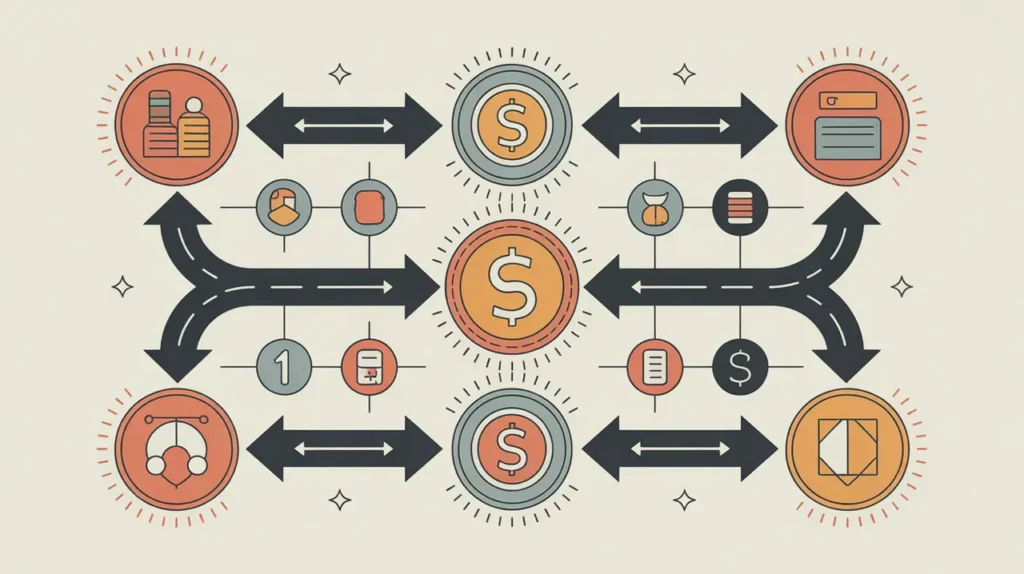
Value chain mapping is a method for analyzing how goods, services, and value move from production to end use. It matters because development and social innovation often depend on understanding the flow of resources, the roles of different actors, and the points where inefficiencies or inequities emerge. By mapping value chains, practitioners can identify leverage points for improving livelihoods, strengthening local economies, and ensuring that benefits are shared more fairly.
Definition and Features
Value chain mapping is the process of visually and analytically representing the sequence of activities and relationships that create value. Its defining features include:
- Process Orientation – traces activities from input and production to processing, distribution, and consumption.
- Actor Identification – highlights producers, intermediaries, suppliers, and consumers along the chain.
- Flow Analysis – follows the movement of goods, services, money, and information.
- Bottleneck Detection – identifies inefficiencies, vulnerabilities, and areas of exploitation.
- Strategic Utility – reveals opportunities for upgrading, innovation, and inclusive participation.
How this Works in Practice
In practice, value chain mapping might examine how coffee travels from smallholder farms through cooperatives, exporters, roasters, and retailers to consumers. It could highlight where farmers capture little value compared to intermediaries, or where certification schemes alter dynamics. Similarly, mapping renewable energy value chains can reveal how technology providers, governments, financiers, and communities interact in expanding access. Practitioners often use participatory methods to include local voices, ensuring that analysis reflects lived experience. Challenges include data scarcity, rapidly shifting markets, and power imbalances among actors.
Implications for Social Innovation
Value chain mapping supports social innovation by making the mechanics of production and exchange more visible. For practitioners, it identifies where to intervene to improve efficiency, equity, or sustainability. For funders and policymakers, it highlights systemic weaknesses and areas where targeted investment can have multiplier effects. Value chain mapping provides a practical lens for rethinking how value is created and distributed. It serves as a tool for designing interventions that strengthen both economic opportunity and social well-being.