Importance of Stakeholder Mapping
Stakeholder mapping is a vital tool for understanding the interests, influence, and relationships of individuals and groups connected to a project, policy, or initiative. It matters because development and social innovation efforts often involve diverse actors whose priorities, resources, and power must be aligned to achieve meaningful change. Mapping clarifies who needs to be engaged, how they relate to one another, and what strategies will build trust and collaboration.
Definition and Features
Stakeholder mapping is the process of identifying, categorizing, and analyzing the people and organizations that affect or are affected by an effort. Its defining features include:
- Comprehensive Identification – captures all relevant actors, from funders and policymakers to beneficiaries and community leaders.
- Categorization – organizes stakeholders by level of influence, interest, or impact.
- Relational Analysis – highlights connections, tensions, and dependencies among groups.
- Strategic Prioritization – supports decisions about where to invest energy and resources in engagement.
- Dynamic Updating – adjusts as projects evolve and stakeholder positions shift.
How this Works in Practice
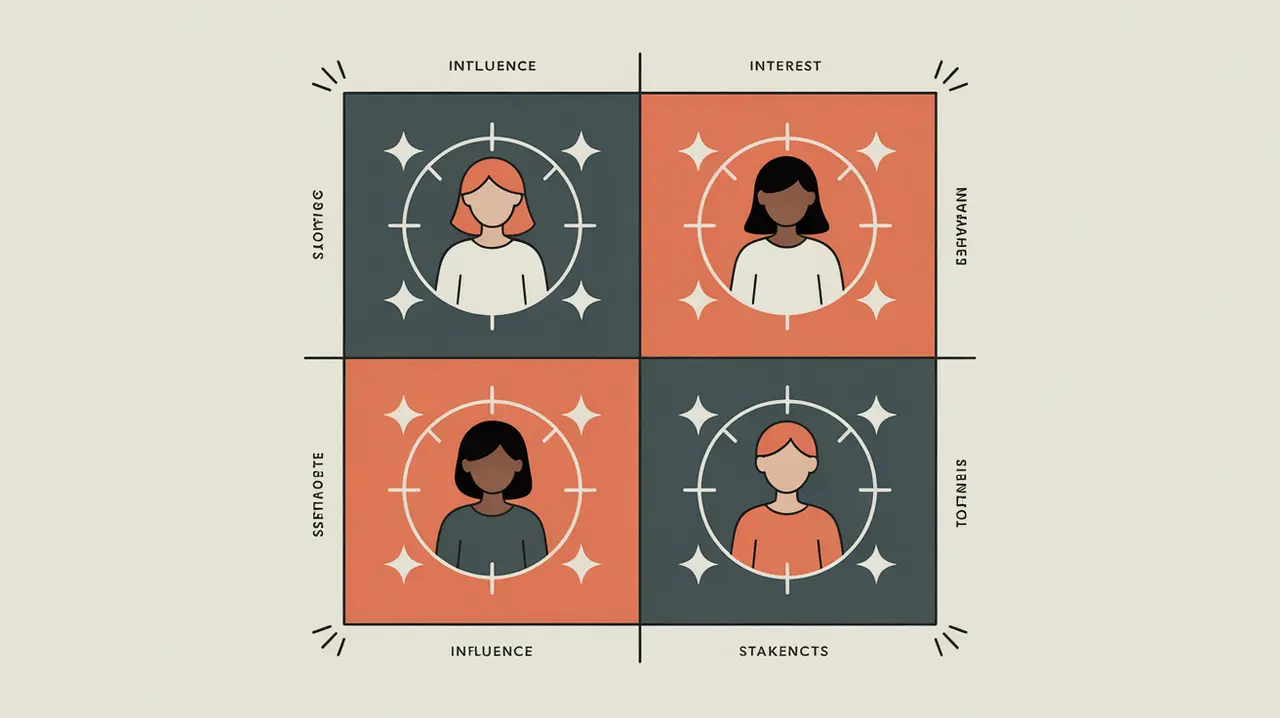
In practice, stakeholder mapping might involve placing actors on a grid of influence versus interest to determine how best to involve them in decision-making. For example, a health initiative might map government agencies, local clinics, patient groups, and donors to understand who shapes policy, who delivers services, and who experiences outcomes. Participatory mapping sessions can be especially valuable, bringing stakeholders into the process to surface hidden relationships and shared priorities. Common challenges include overlooking marginalized groups, overemphasizing formal power, and failing to revisit the map as dynamics change.
Implications for Social Innovation
Stakeholder mapping contributes to social innovation by making relationships visible and actionable. For practitioners, it creates clarity on whom to engage, how to manage expectations, and where alliances can amplify impact. For funders and policymakers, it informs inclusive approaches that build legitimacy and reduce resistance. Beyond analysis, a well-used stakeholder map becomes a living strategy tool. It can help diverse actors find their place in the process of change and shaping pathways toward more sustainable collaboration.