Importance of Reconstruction and Rehabilitation
Reconstruction and rehabilitation are critical for restoring lives, livelihoods, and infrastructure in the aftermath of conflict, disasters, or crises. In international development, these processes support recovery by rebuilding physical assets, revitalizing economies, and addressing the social and psychological needs of affected populations. For nonprofits and social innovators, reconstruction and rehabilitation matter because they provide opportunities to embed resilience, inclusivity, and sustainability into recovery efforts. Their importance lies in helping communities transition from vulnerability to stability and growth.
Definition and Features
Reconstruction and rehabilitation refer to the coordinated processes of rebuilding and restoring communities after destruction or disruption. Their defining features include:
- Physical Reconstruction: repairing or rebuilding infrastructure, housing, and public facilities.
- Social Rehabilitation: supporting health, education, and psychosocial services.
- Economic Recovery: restoring livelihoods, markets, and employment opportunities.
- Institutional Strengthening: rebuilding governance systems and community trust.
How this Works in Practice
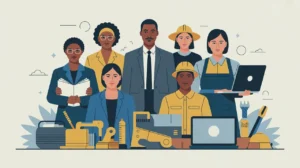
In practice, reconstruction and rehabilitation involve governments, international agencies, NGOs, and local communities working together. For example, post-earthquake recovery may focus on rebuilding homes and schools, while post-conflict efforts may prioritize reconciliation and reintegration of displaced populations. Development agencies often provide technical and financial assistance, while community participation ensures local relevance and ownership. Challenges include limited funding, political instability, unequal access to resources, and the risk of rebuilding systems that perpetuate past inequities.
Implications for Social Innovation
Reconstruction and rehabilitation have significant implications for social innovation because recovery periods create opportunities to redesign systems and structures. Innovations such as climate-resilient infrastructure, community-driven housing projects, and trauma-informed services strengthen both immediate recovery and long-term resilience. For proximate actors, active participation in reconstruction ensures that rebuilding reflects their needs and priorities. Reconstruction and rehabilitation are essential for restoring dignity and creating pathways to sustainable development.