Importance of OAuth
OAuth (Open Authorization) is an open standard that allows users to grant applications limited access to their resources without sharing passwords. Instead of handing over credentials, OAuth uses secure tokens that authorize specific actions for a limited time. Its importance today lies in the widespread need for secure, seamless connections between applications, services, and users. From social logins to AI-driven apps, OAuth is the backbone of modern identity and access integration.
For social innovation and international development, OAuth matters because mission-driven organizations increasingly rely on cloud tools, APIs, and AI platforms. Secure authorization ensures that sensitive data (health records, student performance data, or donor information) can be accessed safely by the right people and systems without exposing organizations to unnecessary risk.
Definition and Key Features
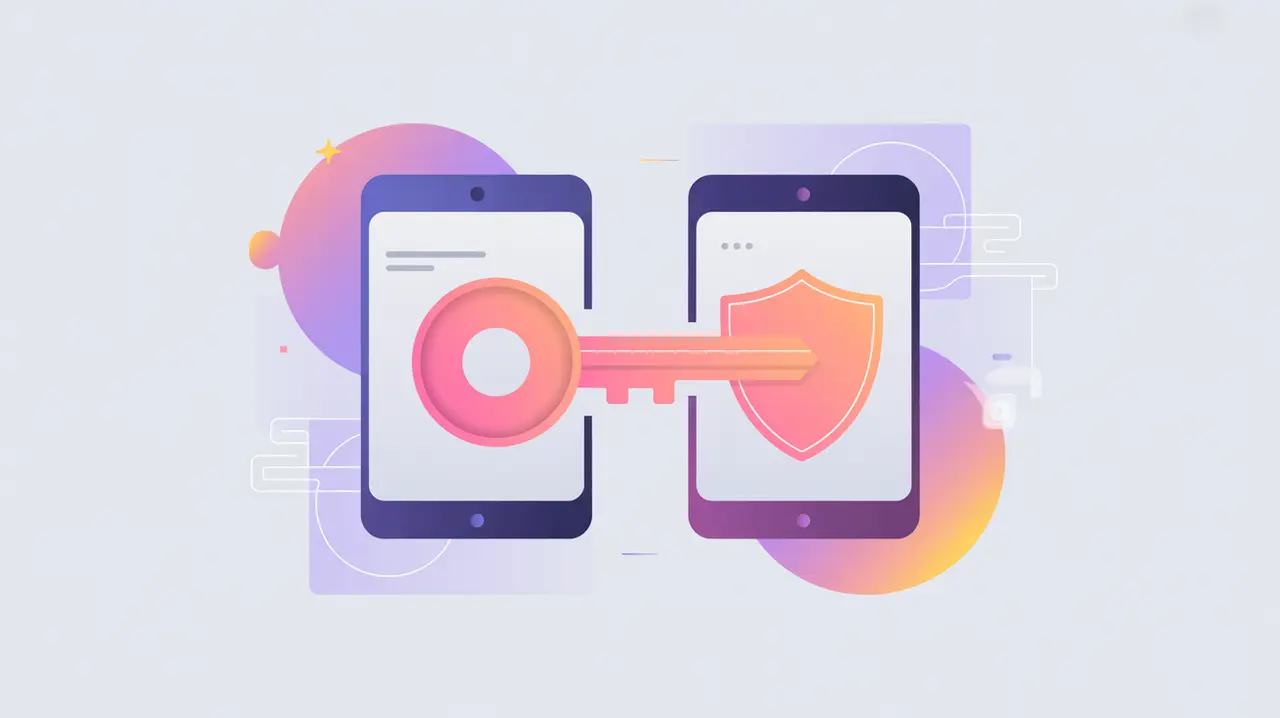
OAuth works by delegating access. When a user or system requests access to a resource, OAuth provides an authorization flow where the resource owner approves the request, and the requesting application receives a token. This token grants limited, revocable access to the resource without exposing the underlying credentials.
It is not the same as authentication, which verifies identity. OAuth focuses on authorization, determining what a user or system is allowed to do. Nor is it equivalent to older credential-sharing approaches, which required handing over usernames and passwords, creating serious security vulnerabilities. OAuth separates identity from access control in a standardized, auditable way.
How this Works in Practice
In practice, OAuth flows vary depending on the context. For web apps, the “authorization code flow” is commonly used, where users log in via a trusted identity provider, and the app receives a token to act on their behalf. For server-to-server integrations, “client credentials flow” allows systems to exchange tokens directly. Access tokens are short-lived, while refresh tokens provide a way to renew access without requiring users to log in repeatedly.
Challenges include managing token lifecycles securely, preventing token theft, and implementing flows correctly. Misconfigurations can leave systems vulnerable to attacks. Despite this, OAuth’s flexibility has made it the standard for securing APIs and enabling safe interoperability across platforms.
Implications for Social Innovators
OAuth enables mission-driven organizations to integrate systems and platforms without compromising security. Health systems can use OAuth to connect electronic health records with AI-driven diagnostic tools. Education platforms can allow students to access multiple learning apps with a single login, while ensuring each app has only the permissions it needs. Humanitarian agencies can safely connect crisis-response dashboards with mapping or communication tools, controlling what data each partner can access.
By enabling secure, delegated access, OAuth ensures organizations can adopt modern digital tools and AI applications while protecting sensitive information and maintaining trust.